

BIOGRAPHY
| Orlean, Susan | Joyride |
| Serong, Jock | A suitable man |
Return to top
COOKING
| Thomas, Heather | The Pumpkin Spice Café cookbook |
Return to top
GENERAL FICTION
| Aoyama, Michiko | Matcha on Monday |
| Archer, Jeffrey | Adam and Eve |
| Blake, Zoë Foster | Group chat |
| Blanchard, Tania | The Paris prize |
| Cole, Martina | The stretch |
| deWitt, Patrick | Dodge City |
| Garmus, Bonnie | Peck & Peck |
| Grisham, John | The French illusion |
| Jackson, Jenny | The shampoo effect |
| Kingsolver, Barbara | Partita |
| Knox, Malcolm | The second child |
| Larbalestier, Justine | The Mortons |
| Lee, Min Jin | American hagwon |
| Limprecht, Eleanor | Cul de sac |
| McCloskey, David | London Station |
| McFadden, Freida | The witch |
| Miller, Suzie | Inter Alia |
| Niffenegger, Audrey | Life out of order |
| Perry, Rebecca | May we feed the king |
| Shafak, Elif | In one brief moment all eternity |
| Sutanto, Jesse Q. | Ms. Mebel goes back to the chopping block |
| Williams, Pip | The German ward |
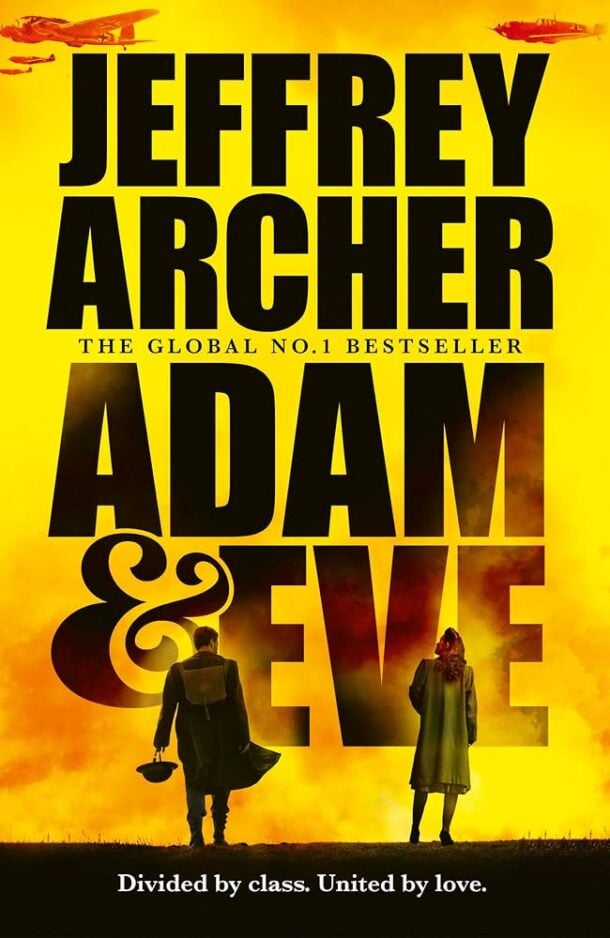 Adam and Eve by Jeffrey Archer
On 11 November 1918 World War I ended. It was also the day that Eveline Charlotte Elizabeth Pierpoint Brancaster, the daughter of an Earl, and Adam Thomas Preston, the son of a shepherd, were born. Jeffrey Archer follows their lives from that date to March 1941 when Eve is called to Buckingham Palace to receive a significant award from King George VI. We are told on the book’s cover that Adam and Eve are divided by class but united by love. How the author manages to bring the two together is a brilliant manoeuvre. The Dowager Countess of Brancaster, the earl’s mother and a feisty, interesting major character, has a leading role. Charles, the current Earl, dotes on his daughter. However, the earldom can only be passed to a male descendant. If there is no heir, the title and estate will pass to Dudley: the black sheep of the family with a serious gambling problem. Archer is an ace storyteller. He held my interest as Adam, Eve and their families enjoyed or coped with the events between the two world wars. Of the many highlights, I’ll mention three: the Jesse Owen controversy at the 1936 Berlin Olympics is one; King Edward VIII’s abdication is another, and Adam’s significant involvement with MI6 is a third. Adam & Eve has characters I cared for deeply. Archer’s relaxed writing style achieves what he set out to do: engage, delight and entertain. Good Reading Magazine, October 2026.
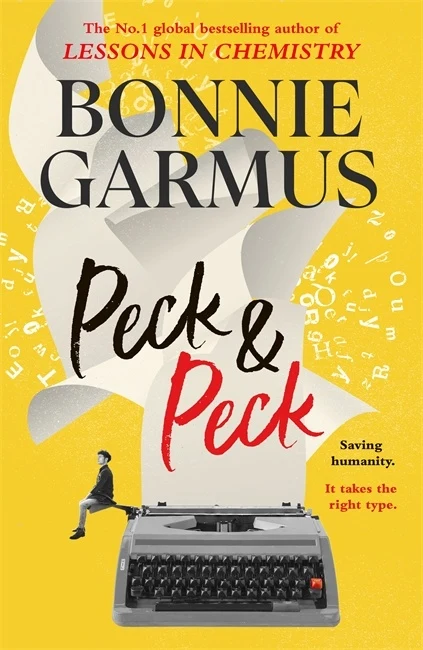 Peck & Peck by Bonnie Garmus
Bonnie Garmus’s latest novel is a fairytale in which integrity prevails. Instead of a protagonist battling forests, spells and giants, we meet poet Batter Grey, whose battleground is a publishing house known for printing celebrated poetry. Readers may wonder which real poetry journal inspired this sparky, strange and scintillating novel, but that hardly matters. True to the fairytale form, the book is less about what appears on the page than the humanity behind it. This is a good old-fashioned romp through familiar tropes of good and evil. Each character is beautifully drawn and utterly delightful. The descriptions of the building are astonishing and will leave you wishing it were real – think Charlie and the Chocolate Factory and you are getting close. For anyone wanting a story that sweeps them up into the clouds, this is it. For anyone hoping greed and convention have had their day, this is it. And for anyone who believes a second novel can never match a first – and we all loved Lessons in Chemistry – this is it. Peck & Peck is a glorious ride, one that may even make you believe that humanity, in the end, is good. Readings, September 2026.
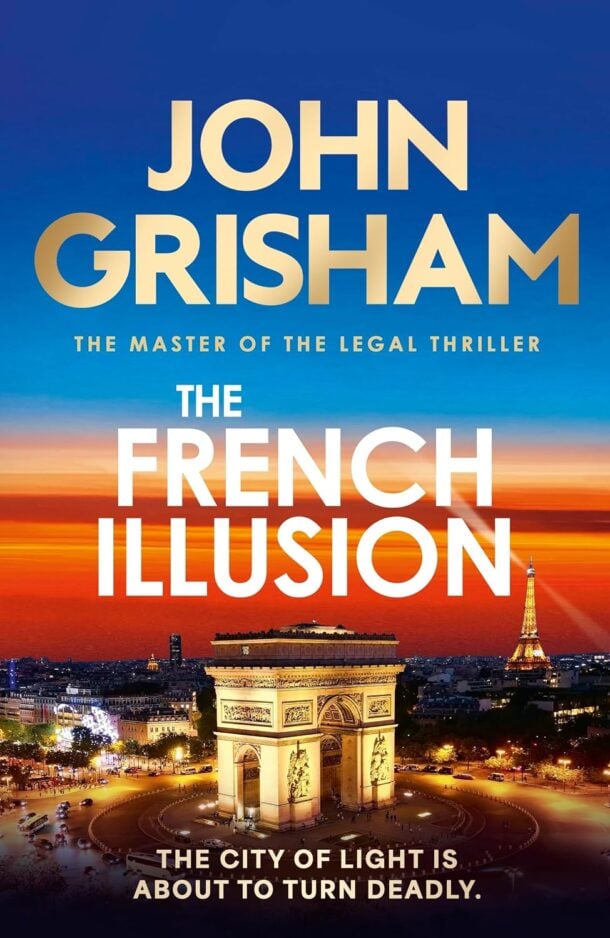 The French Illusion by John Grisham
For his breakneck latest, bestseller Grisham (The Widow) steps out of the courtroom to unfold the story of a brutal kidnapping scheme. At the outset, newlyweds Paul Tanner, a Justice Department attorney, and Chelsea Clayburn, an art appraiser, set off for their Paris honeymoon. As Chelsea eagerly documents their trip on social media, a French gang tracks their movements. The gang members stage a car accident, and, in the ensuing chaos, render Paul and Chelsea unconscious. The newlyweds awake to find they’ve been separated and are being held captive with no way of knowing whether their partner is safe. Meanwhile, Paul’s and Chelsea’s families receive ransom notes demanding $2 million. The plot thickens when Grisham reveals that FBI personnel have been unsuccessfully investigating two similar cases that appear to have political implications. Though the characters are thinner than in the best Grisham novels, the parallel storylines of Paul and Chelsea trying to escape captivity and the FBI, CIA, and French authorities working together to nail the kidnappers generate crackerjack suspense. It’s a blast. Publisher’s Weekly, January 2026.
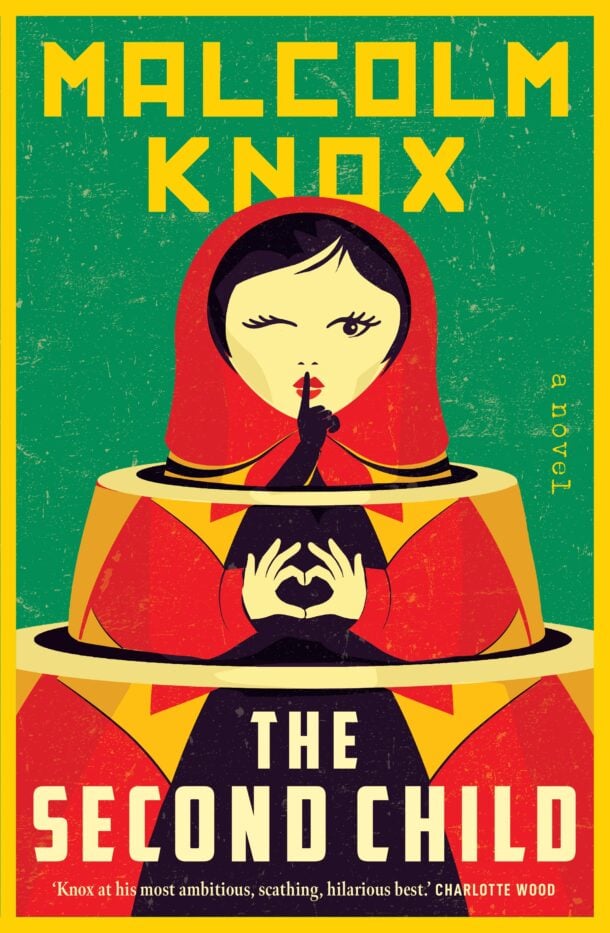 The Second Child by Malcolm Knox
I love a good historical period piece – and Malcolm Knox’s The Second Child certainly does not disappoint! Set amid the frantic atmosphere of a post-Second World War Soviet Union, we follow the life of Melor Murtov as the adopted daughter of Lavrentiy Beria – acting as his informant among the children of the Kremlin who might collectively reveal Stalin’s next scheme.What really drew me in was the unpredictability of the story that Knox tells – I was always on the edge of my seat, uncertain whether a newly introduced character would be pivotal to Melor’s mission, or a hindrance. This creates a really exciting read that matches the reality of Soviet politics – unpredictability was the only certainty you could expect, all fostered by Stalin’s cult of personality and his unyielding grip on life and death.Lastly, I’d be remiss not to mention how utterly funny this book is. We imagine the indomitable leader of the Soviets as an iron figure with unending intelligence and sharp judgement – but Knox paints a very different picture, exposing Stalin’s flaws, insecurities and weaknesses with biting comedy. Knox spares no one in Melor’s orbit, either!Overall, The Second Child is a brilliant blend of historical suspense and dark satire. Highly recommended for fans of historical fiction who appreciate a healthy dose of wit! Readings, August 2026.
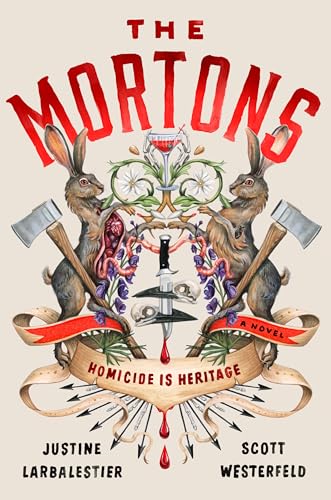 The Mortons by Justine Larbalestier & Scott Westerfeld
Husband and wife authors Westerfeld (Uglies) and Larbalestier (My Sister Rosa) team up for a page-turning tale about an “Old Money” family who sustain their power and wealth by training each new generation in the art of murder. Jessica Morton is a college student at Helshire, where she is expected to “incorporate” the rich and powerful families of other students by ensuring their loyalty to the Mortons and thus allowing the clan to get away with murder. The Mortons regularly kill their own, and Jessica is tasked by her grandmother with killing her younger cousin, Peter, whose rebellious nature poses a risk to the family. Jessica does the deed by enticing Peter to climb up an old building on their campus and causing him to lose his grip and fall. After Peter’s death, Jessica wins her family’s blessing, but when she learns of Peter’s association with rival families and his possible motive for turning against the Mortons, she questions her family’s righteousness. It adds up to a bracing and searching story about the lengths a child will go to make their family proud. Readers won’t want to put this down. Publisher’s Weekly, May 2025.
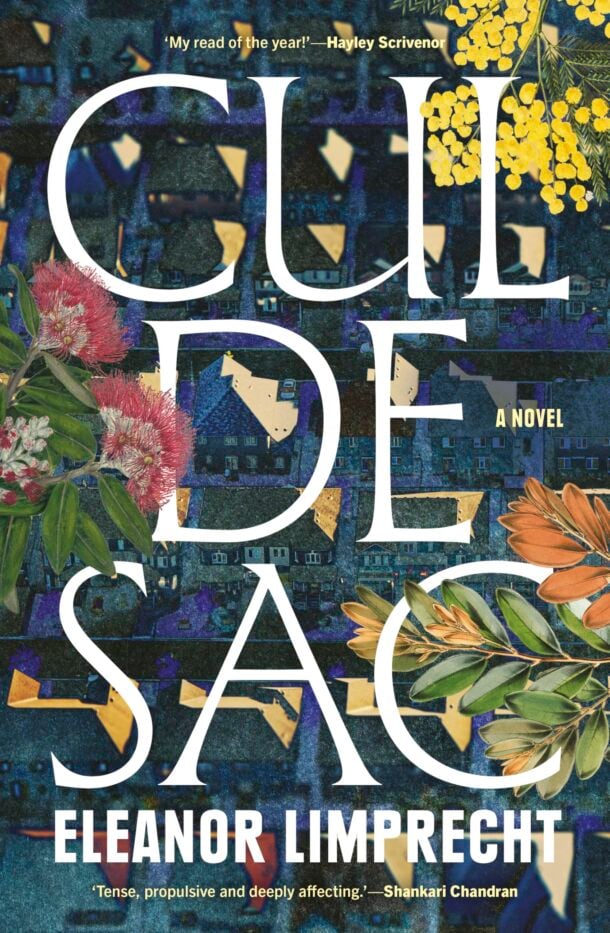 Cul De Sac by Eleanor Limprecht
A cul-de-sac is a dead-end street, with only one exit; it can also signify a trap. And it is a very apt title for this brilliant novel.Jacqui, an Australian, her wealthy American husband, Brandon, and their two young children, live an apparently charmed life in a mansion in Washington DC. But things are not so perfect behind closed doors.After much cajoling, Brandon allows Jacqui to take the children to Australia for Christmas. Once away from his control, she relaxes into the lush beauty of the Australian bush, so far from the pristine, stultifying sterility of her US home. She decides that, for her and the children’s safety, they can never return.But, too frightened to have the conversation with Brandon, she turns off her phone and emails, only to have him file international parental abduction charges against her. She is trapped whether she stays or returns, at the mercy of the law and Brandon’s gaslighting.Luminously written, finely observed, taut and propulsive: Limprecht has crafted a superb story, capturing a woman torn and trapped between two countries, the mingled love and terror she feels for her husband, and a primal desire to protect her children. Good Reading Magazine, October 2026.
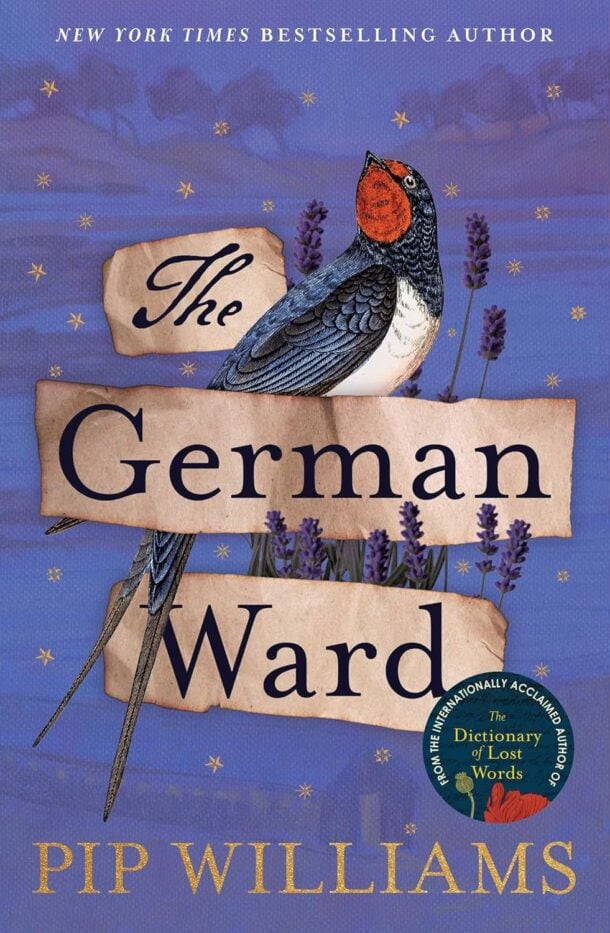 The German Ward by Pip Williams
This is a beautiful novel of love in the face of obstacles; and of finding that love in the most unlikely of places. Tilda Taylor works as a volunteer nurse assistant in France during World War I. This is new territory for her – she’s 39 and has been an actress. She’s used to being in the limelight and the selflessness of nursing doesn’t come naturally to her.The story opens decades after World War I has ended and just before World War II begins, when Tilda receives a letter, presumably from her lover, but delays opening it – the first of many hooks for the reader.In 1915 Tilda is seconded to help in the ward looking after German prisoners of war in Étaples. They’re given perfunctory care and fraternisation. The doctor, Hugo Henning, treating the patients is also German. He and Tilda work together, but he remains unapproachable. That frostiness melts over time. In a parallel contemporary narrative, Eve, an art historian with a tenuous grip on her university tenure, finds sketches by the Australian artist – and Tilda’s confidante – Iso Rae in the National War Memorial, featuring that same German ward. Tilda and Hugo’s eventual lovemaking is like Iso’s sketches – hurried and incomplete, yet somehow more than what there appears to be. Desire underpins the narrative. There is, of course, the sensual desire to be touched, to be loved. But there’s a deeper sentiment: the desire for peace, for escape, for death even … just the desire for everything to be different, to be over. The writing is further evidence of Williams’ extraordinary talent. Good Reading, October 2026.
Return to top
HISTORICAL FICTION
| Brooks, Karen | The extraordinary Florence Stoker |
| Harrod-Eagles, Cynthia | The fortunes of Ashmore Castle |
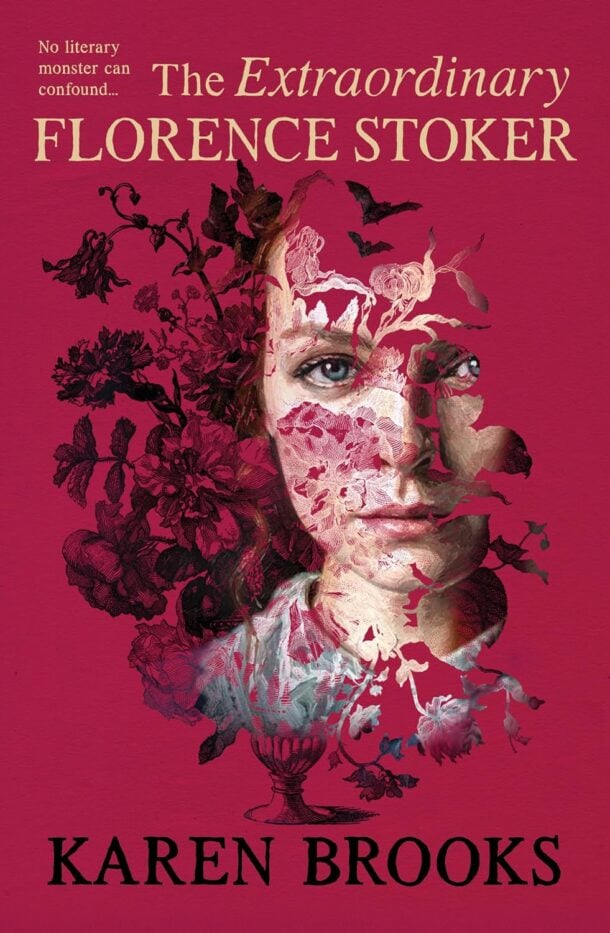 The Extraordinary Florence Stoker by Karen Brooks
As readers, we are all familiar with Dracula and its author, Bram Stoker. What many of us are not aware of is the woman who supported, inspired and encouraged Bram to write this iconic novel: Florence Stoker. Karen Brooks follows Florence’s life from before she meets Bram, when she is in a relationship with Oscar Wilde, through their marriage and the many defining moments of her life. We witness motherhood, travel and Florence’s unwavering belief in her husband’s literary talent as she encourages him to become one of literature’s greats. As the title suggests, Karen Brooks has an extraordinary ability to take the fragments of history we know and expand them into a rich and compelling story that gives a voice to those who have long remained unheard. The Gothic atmosphere of the late 19th and early 20th centuries is ever present, as are the limitations placed upon women and society’s attitudes towards same-sex relationships. For lovers of literature, the familiar names throughout only add to the novel’s richness, never overshadowing the remarkable woman at its heart. An immersive historical read. Good Reading Magazine, September 2026.
Return to top
MYSTERY
| Bishop, D. V. | Shadow of madness |
| Childs, Laura | Murder in the tea leaves |
| Cleeves, Ann | The dying light |
| Craven, M. W. | The killer’s mark |
| Ellis, Kate | Deadly remains |
| Hammer, Chris | Full circle |
| Hammond, A. W. | Penitent |
| McCall Smith, Alexander | The big cats dance party |
| Penny, Louise | Miss Wolcott’s ghost |
| Petraitis, Vikki | The reckoning |
| Rankin, Ian | The heights |
| Raybourn, Deanna | A grave robbery |
| Reilly, Matthew | King’s ransom |
| Robotham, Michael | Tell me something true |
| Ross, L. J. | High force |
| Ryan, Iain | The Casino |
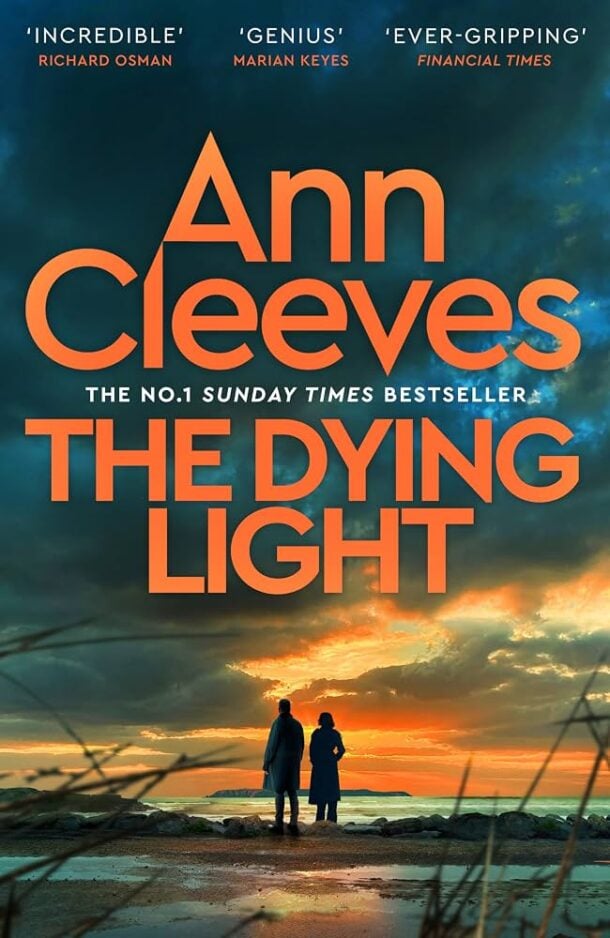 The Dying Light by Ann Cleeves
Det. Insp. Matthew Venn investigates a murder and a disappearance connected to a prominent British politician in Cleeve’s effective sequel toThe Raging Storm. Venn and his team are called to Tide House, the Devon vacation home of well-known MP Paul Armstrong, where Armstrong’s daughter, Hannah, and her friend, Lottie, had been staying ahead of a family vacation. Armstrong found Lottie dead in the pool, with Hannah nowhere to be seen. His public profile means the U.K.’s ministry of the interior watches and weighs in on every move Venn makes as he searches for answers, which come via observations from local villagers and conversations with the girls’ parents and friends. As always, Cleeves is strong on atmosphere, and she crafts well-rounded characters whose overlapping secrets form an engrossing puzzle—developments in the personal lives of Venn’s investigators land with the same sense of occasion as bombshells about the victims’ lives. By the time Cleeves has narrowed her large list of suspects to a guilty few, readers will be eager to see where Venn goes next. Publisher’s weekly, June 2026.
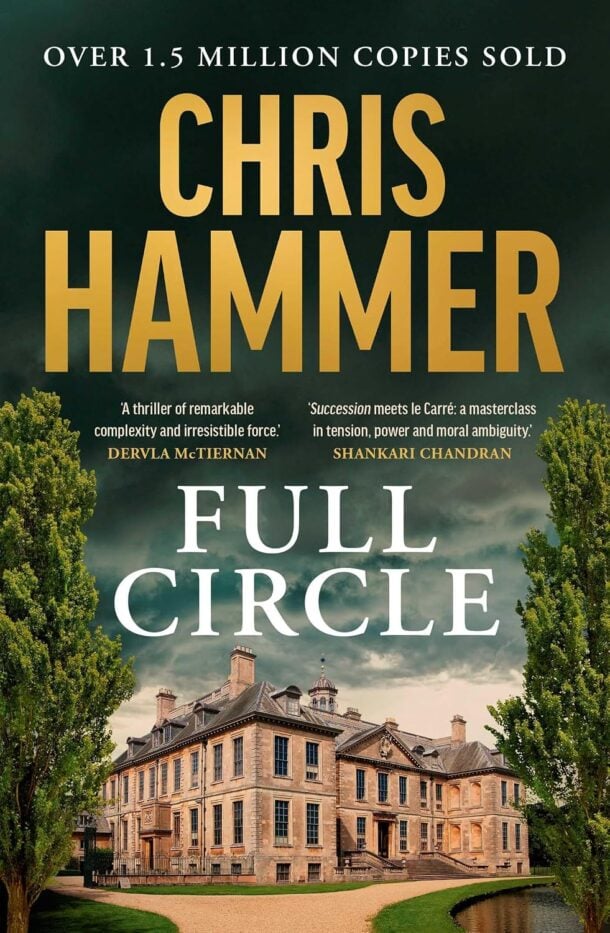 The Full Circle by Chris Hammer
After making a mistake as an undercover operative targeting the Mutrie Corporation, former policeman Travis Somerland is now driving for Felix Clapton, an ultra-wealthy financial wizard. Unwittingly part of a high stakes share market campaign that could be the downfall of the Mutrie family, Travis is left with many questions and few answers after three Clapton employees are poisoned. The Mutrie family have been a force in Australian business for decades, but executive assistant Judy knows just how ruthless they can be, stopping at nothing to get what they want. As investigations ramp up into the employees’ deaths and the disappearance of Perry Souta, Travis’s guilt over past mistakes causes him to make rash decisions, ultimately putting his life in danger. Travis ends up right in the middle of a power struggle of the rich and entitled, determined to find out who is responsible for the murders and to clear his name and conscience. Full Circle thrusts you into a world of business dynasties, intrigue, takeovers and murder. Spread over multiple timelines, it had me questioning characters, mesmerised by grand locations and holding my breath as the suspense built. Although I didn’t quite grasp parts of the financial manoeuvring, this didn’t affect my enjoyment. My reading pace quickened as the action gained momentum, and many of the revelations left me a little stunned. Another thoroughly entertaining thriller. Good Reading, October 2026.
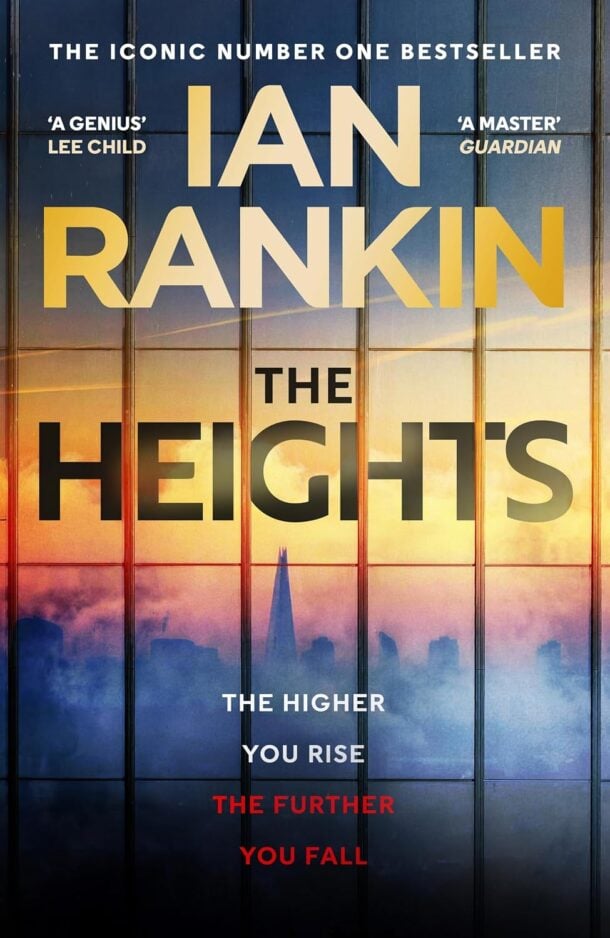 The Heights by Ian Rankin
DS Gillian Gish investigates a murder at an exclusive London apartment complex in this solid standalone from Rankin (the John Rebus series). When Dwayne Hogarth, a night shift security guard at the Heights, is found dead by his girlfriend, police dispatch Gish to the scene. Despite robust security protocols at the Heights—which is home to a private cinema and lobby art worth at least a million pounds—the building’s surveillance system was switched off at the time of Hogarth’s death. In her investigation, Gish speaks with a wide range of tight-lipped tenants, including a gangster’s wife and a shadowy figure rumored to have made his fortune in post-glasnost Russia. Gish’s probe is complicated by interference from the British Foreign Office, who want to curb any prodding that might alarm Heights resident Maita Macheso, daughter of a friend of the president of Zimbabwe, because Zimbabwe is currently negotiating a complex trade deal with Great Britain. Though Gish is less complex than John Rebus, Rankin’s most famous lead, Rankin hands her a twisty, well-crafted investigation with more emotional depth than the average whodunit. Fans of the author will walk away satisfied. Publisher’s weekly, September 2026.
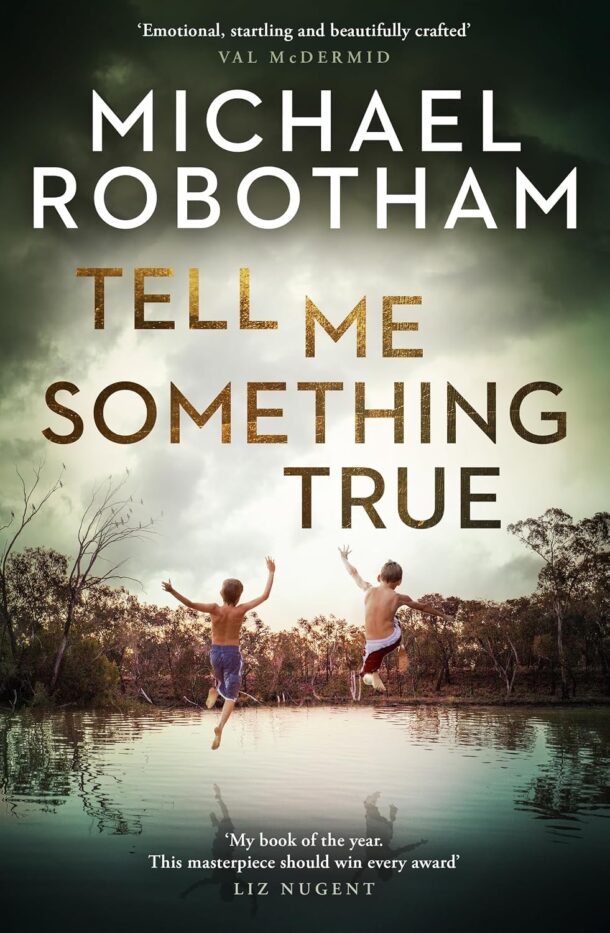 Tell me something true by Michael Robotham
As soon as my advance copy of this very special book arrived, I flipped to the acknowledgements, having heard this was the book Michael Robotham had wanted to write for more than three decades. It turns out the rumours were true. It is the first of Robotham’s 20 novels to be set in Australia, and we are left in no doubt that, although the small NSW river town may be fictional, Yulara is a landscape with which he is intimately familiar. In the opening scene, Luke Hackett, a young man on the fringes of the community, carries the lifeless body of a teenage girl for kilometres while townsfolk silently look on. He passes landmarks familiar to country towns: the showgrounds, railway line and post office, before reaching the stone steps of the Catholic church. Entering through the wooden doors, he places his precious load on the altar steps. The story then skips forward 12 years to 2001. Arlo, Luke’s older brother, has just been released from prison and is returning to the town that convicted him as an accessory to the crime they are certain Luke committed. Arlo, however, is far less sure Luke committed any crime. As he seeks the truth, ugly secrets surface and the prejudices of a small town are laid bare. Arlo is left in no doubt that he is not only unwelcome, but deeply unwanted. All of Michael Robotham’s immense talent is on full display in this true masterclass of storytelling, at once brilliant and authentic, gritty and grounded, yet deeply compassionate. The characters he creates in this poignant story of love and family are sure to find their way into the hearts and minds of readers everywhere. Good Reading, October 2026.
Return to top
NON FICTION
| Curran, James | Grand ambition | 327.94 CURR |
| Feldstein, Steven | Bytes and bullets | 327.10 FELD |
| Ferguson, Anna | 21 days to a less anxious you | 152.46 FERG |
| Markson, Sharri | Bondi Terror | 363.32 MARK |
| Megalogenis, George | Three shocks | 321.009 MEGA |
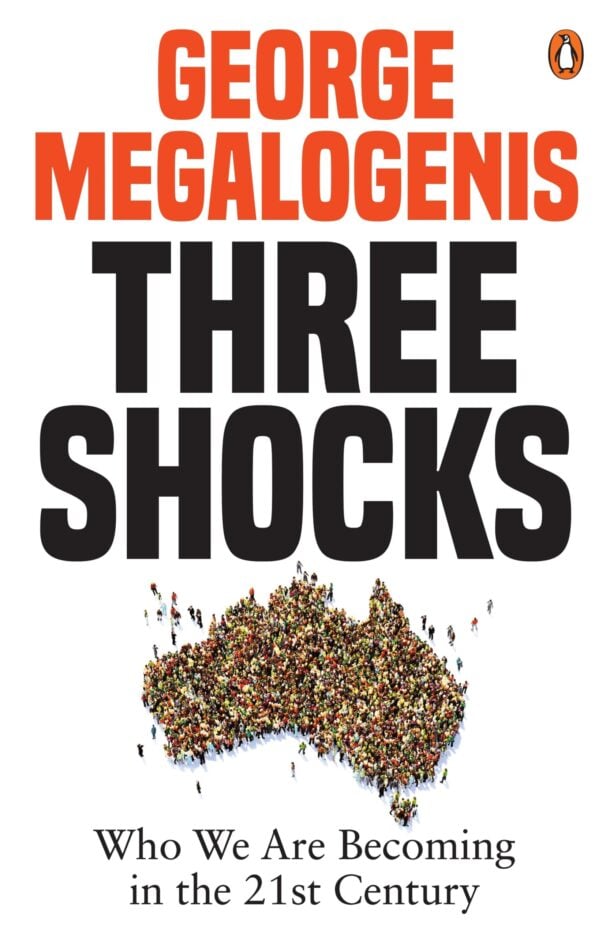 Three Shocks: who we are becoming in the 21st century by Gorge Megalogenis
George Megalogenis is a well-respected Melbourne journalist whose contributions made even such a font of conventional wisdom as Insiders were worth getting up for on a Sunday morning. In The Australian Moment Megalogenis gave an economists take on postwar Australian politics and policy and was pretty pleased with what he saw. That was in 2012 – we had survived the GFC better than virtually any other developed economy and the ALP was still in power propounding a somewhat Keynesian version of neo-liberalism, carbon tax and all. The international scene was stable, interest rates were less than four per cent, and international students and migration were considered a good thing. The future looked manageable. In Three Shocks Megalogenis updates his assessment. The three shocks he identifies are: the feminisation of the work force; migrants and the children of migrants becoming a majority of the population and our allies and trade partners proving ‘unreliable’. Most of us if asked about what blew up after 2012 would mention Russia’s invasion of Ukraine (which began in 2014); the pandemic, and the supply-side inflation which followed. President Trump would also get a guernsey as would the certain Conservative MPs and the rise of One Nation. But Megalogenis would correctly see these as symptoms, and he is more interested in deeper structural forces. This may be the only way to remain optimistic in the current environment because two of those shocks really are quite positive and the third can be managed. His analysis of our changing demography emphasises why the strategy that worked for John Howard in 1996 is now completely obsolete and why Sydney and Melbourne, with apologies to Queensland, will for the foreseeable future determine the outcome of federal elections. This is why I’m a fan of Megalogenis – he is not a font of conventional wisdom. Good Reading Magazine, September 2026.
Return to top
SCIENCE FICTION & FANTASY
| Bardugo, Leigh | Dead beat |
| Card, Orson Scott | Earth awakens |
| King, Stephen | Black house |
| Taylor, Jodi | Out of time |
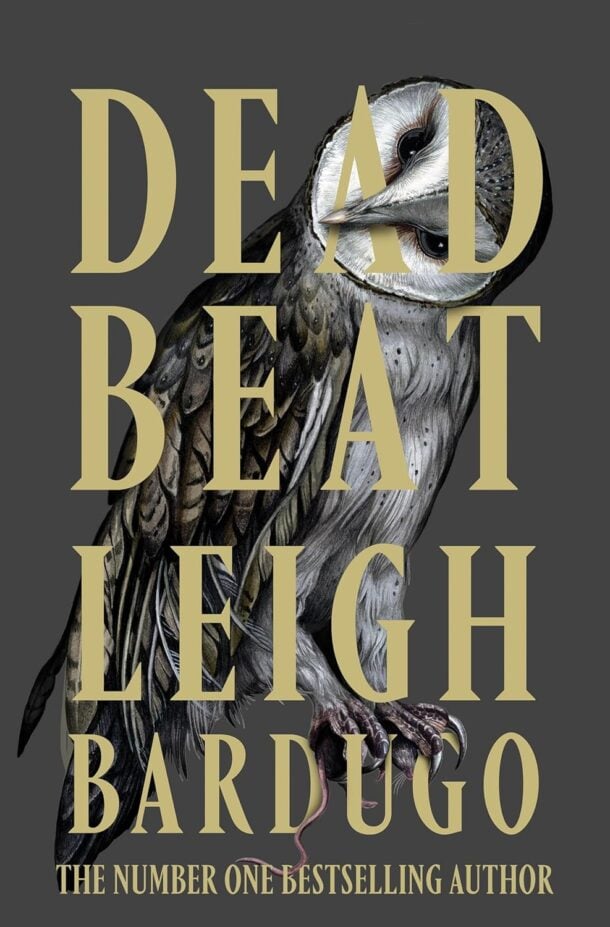 Dead Beat by Leigh Bardugo
A dark fantasy set on the Yale campus ends with a bang. Galaxy “Alex” Stern of Lethe House, one of Yale’s storied secret societies, has been to hell and back. That was in Hell Bent (2023), the middle book in Bardugo’s Ninth House trilogy, where the secret societies wield not just temporal power but magic as well. Hell Bent ended with Alex and her friends rescuing her crush, mentor, and fellow Lethe officer, Daniel “Darlington” Arlington V, from eternal torment. One small wrinkle: The demon Golgarot used Alex’s blood to wedge a door open between Hell and New Haven, and his minions are slipping through. Also, one of the group has turned into a vampire, and Darlington is now half demon. “He’d given up some part of himself to preserve the rest of his human soul. He’d become both prisoner and warden.” As the final book opens, the exhausted crew are hunting yet another monster. They can’t keep this up forever; they will have to find a way to close the portal. Alex has the energetic, driven melancholy of the hard-boiled, dark fantasy heroine she is. She believes “magic is real, but safe is make-believe,” as her roommate puts it. An open hellmouth, a supportive scholar, a vampire whose story arcs precariously toward redemption, a gentleman fiend who gets literally horny when aroused, a California girl with rare supernatural powers who cracks wise as she fights fiends—the series has a lot in common with Buffy the Vampire Slayer and its spawn, but Bardugo’s way with words and her keen social observation keep the book from feeling derivative. A demon’s classic New England house is decorated with “ruthlessly inoffensive watercolor seascapes”; Lethe’s board president “wore the new uniform of Wall Street: a dress shirt, khakis, and a fleece with a Yale Y embroidered over the heart, as if he were on his way to a hostile takeover followed by some light rock climbing.” Will Alex and her friends get the door shut without losing Darlington? Bardugo injects her protagonist with such a convincing mix of cynicism and hope that failure seems like a distinct possibility. Sharp writing, vivid characters, and puzzle box plotting bring the trilogy to a ringing conclusion. Kirkus Reviews, September 2026.
Return to top
New additions to eBooks at SMSA
EBOOKS
| General | Connelly, Michael | The hollow |
| General | Currie, Ron | The savage, noble death of Babs Dionne |
| General | Garmus, Bonnie | Peck & peck |
| General | Suthammanont, Victor | Hollow spaces |
| General | Vowles, Thomas | Our new gods |
| Mystery | Cleeves, Ann | The dying light |
| Mystery | Thomas, Enger | Smoke screen |
| Mystery | Thorogood, Robert | A meditation on murder |
| Mystery | Whish-Wilson, David | O’Keefe |
| SciFi/Fantasy | Higgie, Rebecca | The book of the after |
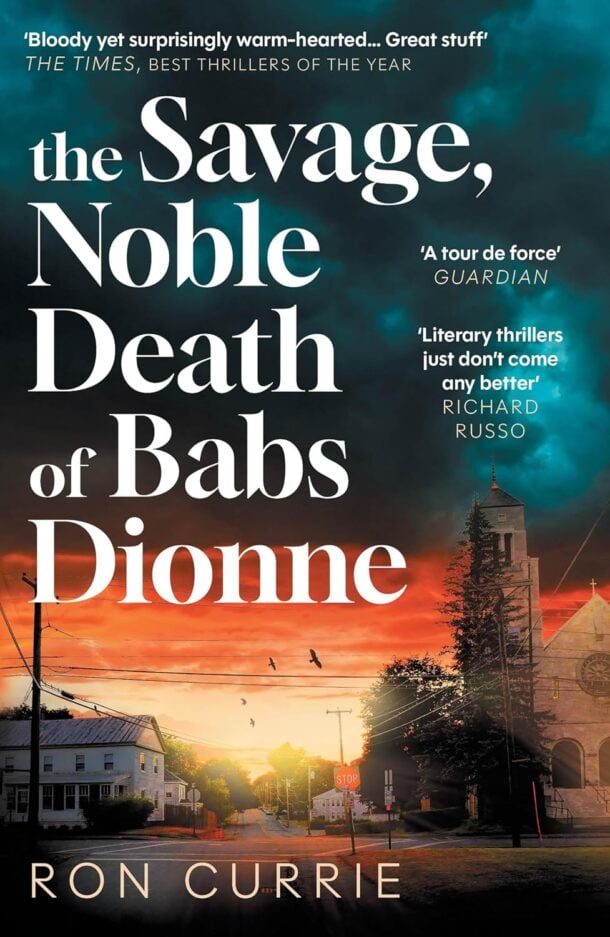 The Savage, Noble Death of Babs Dionne by Ron Currie
The cruelty and absurdity of family bonds drive this riveting crime saga from Currie (The One-Eyed Man). Babs Dionne, the domineering French American matriarch of her Waterville, Maine, community, maintains a sprawling criminal empire through sheer force of will. After surviving a near-fatal overdose, Babs’s oldest daughter, Lori—a military veteran grappling with PTSD—is tasked with finding her missing sister, Sis. Meanwhile, tensions escalate after Babs discovers that her grandson Jason has a black eye inflicted by his alcoholic father, and some of her formerly loyal lieutenants begin to challenge her authority. Complicating matters, a drug kingpin uncovers an aberration in his supply chain and sends a malevolent enforcer known as “The Man” to New England to investigate. When Sis turns up dead, grief and guilt ignite Bab’s fury, setting in motion a bloody revenge campaign that spares no one in town. Filled with idiosyncratic characters, Currie’s stirring, cinematic tale blends mystery, suspense, and domestic drama to incisively interrogate the limits of filial responsibility. It’s a major achievement. Publisher’s Weekly, January 2025.
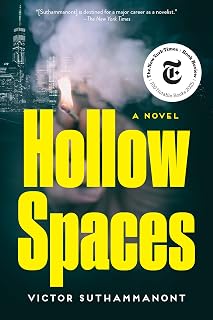 Hollow Spaces by Victor Suthammanont
Attorney Suthammanont blends elements of Presumed Innocent and Serial for his intricate debut, about two siblings who investigate whether their father committed the murder he was acquitted of 30 years earlier. The dual timeline narrative begins with young father John Lo, the only Asian American partner at his New York City law firm, on trial for the murder of Jessica DeSalvo, a coworker with whom he was having an affair. Three decades later, his daughter Brennan is following in his footsteps, working as a lawyer and entangled in an affair with a partner at her firm, and she’s convinced John did not kill Jessica. Her brother, Hunter, a war correspondent, is equally certain of John’s guilt, and their long-held disagreement has made them estranged. After they reunite upon learning that their mother has cancer, they conduct interviews with people involved in the case and discover that the police and prosecutor withheld evidence of another potential suspect. Their digging prompts threatening anonymous phone calls, and Suthammanont keeps the reader guessing as to whether John really did it and who’s trying to intimidate the siblings. Flashbacks to John’s affair with Jessica and his struggles with holding down a job after the trial add to the intrigue and build a complex portrait of a broken man. It adds up to a well-plotted human drama. Publishers Weekly, June 2025.
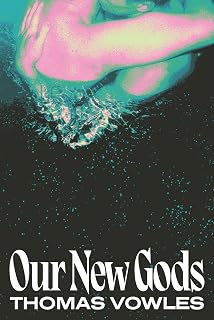 Our New Gods by Thomas Vowles
Ash is a country boy – gay, innocent, naive – who moves to Melbourne. He finds friends, a house share, a job as a dish pig, and an immediate attraction to James. He also finds he’s stumbled into a game where he doesn’t understand the rules. Ash’s attraction to James is immediate and all-consuming. James, however, is in a relationship with Raf. These two men are not alike: James is calm and compassionate; Raf looks like Jesus and is a little dangerous. Ash’s jealousy informs his dislike and suspicion of Raf, particularly after witnessing his denigration of Booth, another partygoer. At yet another party Booth is found dead, and Ash is convinced Raf is responsible. Ash’s behaviour becomes increasingly chaotic in his pursuit of Raf. Contemporaneously, there are discordant gaps in James’s character arc. Ash discovers that Booth has a rifle hidden under his bed. The question of the proposed use of this weapon, and by whom, could be central to the action, but definitive answers are elusive. The rifle’s appearance indicates Chekhovian influences, although Vowles cleverly subverts its significance. Ash’s name is apposite: there is a significant fire in his past. There’s also a possibility that another fire may rise from those embers, fanned by the actions of other characters. The story has echoes of the psychological unease of Wake in Fright, and a focus on gay lifestyle reminiscent of Tsiolkas. There’s an intriguing ambiguity to the denouement, but also a circularity, where the narrative returns Ash to the sense of alienation he experienced at the novel’s beginning. Vowles’ Our New Gods is a fresh and exciting new voice in Australian literature, and it will be interesting to see where that career leads. Good Reading Magazine.
Return to top
AUDIOBOOKS
| General | Feeney, Alice | Sometimes I lie |
| General | McFadden, Freida | The witch |
| Historical | Brower, Beth | The unselected journals of Emma M. Lion volume 2 |
| Mystery | Blacke, Olivia | The key to a killer |
| Mystery | Hillier, Jennifer | Little secrets |
| Mystery | Shapiro, Irina | The carnival murders |
| Mystery | Wallace, Tilly | Seams like murder |
| Romance | Sarah M. Eden | Seeking Persephone |
| SciFi/Fantasy | Pierce Brown | Golden son |
| SciFi/Fantasy | St. Aubin, Cynthia | Love lies |
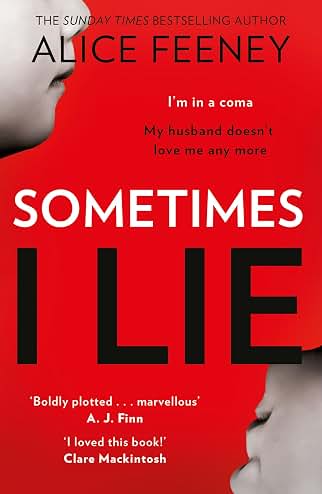 Sometimes I Lie by Alice Feeney
Despite the challenges–an unreliable narrator, an intricate plot, a shifting timeline, and myriad characters–Stephanie Racine gives a flawless narration of this audiobook. Amber’s story begins, simply enough, with a brief confession: She is in a coma, her husband doesn’t love her anymore, and sometimes she lies. Wait–what? Made to feel off-balance from the start, listeners can rest assured that they are in the best of hands. Though the pace of the story is relentless, Racine is indefatigable. She transitions with ease among a cast of clearly drawn characters, never missing the mark emotionally and even delivering a chilling melody. This intense thriller is made even better by her performance. Kirkus Audiobooks Reviews.
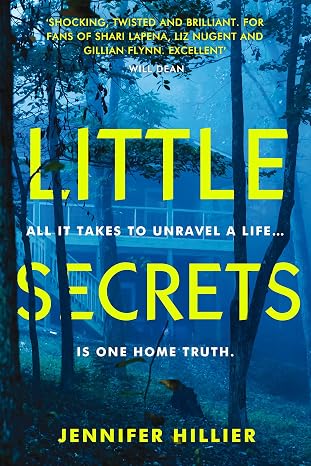 Little Secrets by Jennifer Hillier
Celebrity hairstylist Marin Machado, the heroine of this diabolically plotted psychological thriller of lust, obsession, greed, and betrayal from Thriller Award–winner Hillier (Jar of Hearts), believes she’s hit bottom during the 16 months since her four-year-old son was snatched while they were Christmas shopping at a Seattle farmers’ market—something for which she can’t stop blaming herself, nor can her entrepreneur husband of almost 20 years, Derek. But that’s before the PI Marin hired after the case went cold shares her chance but devastating discovery that Derek’s having an affair with a much younger woman, catapulting Marin into an even darker circle of hell. Following the initial shock of the revelation, the furious Marin feels empowered, almost exhilarated. But her rage also threatens to propel this sympathetic protagonist into a rash, potentially catastrophic decision, encouraged by her best friend and onetime boyfriend, an ex-con, who has his own devious agenda. Though a few of the twists down the frenetic home stretch seem forced, until then Hillier sustains a captivating double helix of duplicity. Hillier remains an author to watch. Publisher’s Weekly, January 2020.
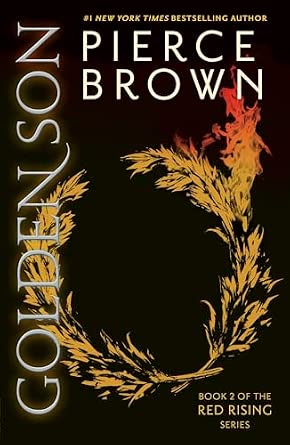 Golden Son by Pierce Brown
Misdirection and chaos mark the twisty second book of Brown’s SF trilogy (after Red Rising), set mostly on a near-future Mars divided between the ruling Golds and the peons called Reds. Red-born Darrow has been recruited by radicals, disguised as one of the elite, and sent to spark a revolution, but Brown makes it clear (often through scenes of mopey self-reflection) that Darrow’s not suited to the task. As a sleeper agent, he is forced to manipulate both friend and foe, a burden described vividly and to great effect. Brown shows everything organically, from the Roman influences on the culture to the exciting potential hidden in both halves of society. Dramatic battles with a real sense of loss, and a final chapter that slams into both Darrow and the reader, make this the rare middle book that loses almost no momentum as it sets up the final installment. Publisher’s Weekly, October 2014.