


BIOGRAPHY
| Goodwin, Julie | Your time starts now |
| Potter, David | Master of Rome |
| Richardson, Lance | True nature |
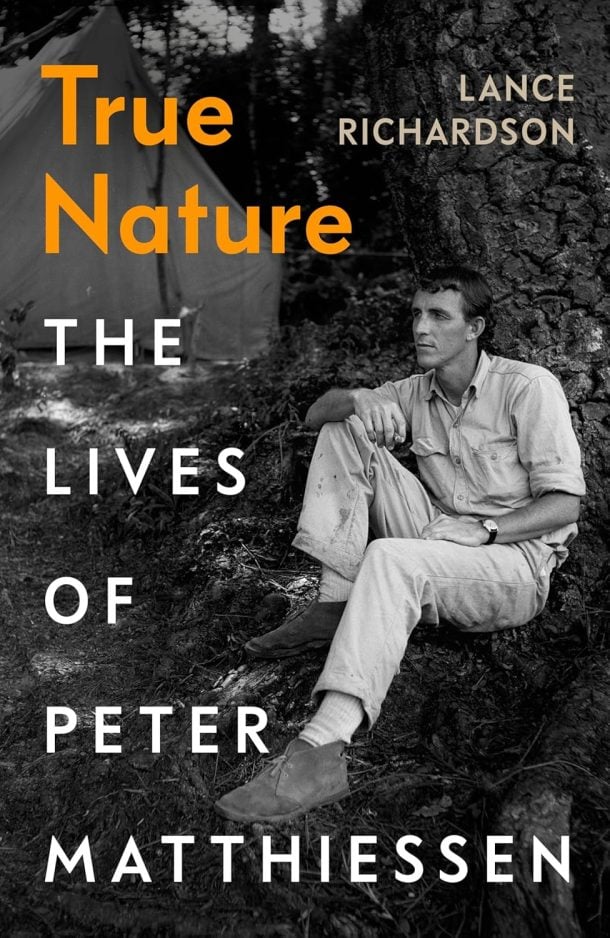 True Nature by Lance Richardson
A sprawling biography of the renowned nature writer and novelist.Peter Matthiessen is perhaps best known for his 1978 book The Snow Leopard, an account of an arduous journey into the Himalayas in search of the big cat that blended science with mysticism. Though widely considered a classic today, it never sold as well as Robert Pirsig’s Zen and the Art of Motorcycle Maintenance; Matthiessen scorned author and text as “a hateful child-destroying egomaniac and an intelligent yet dull book.” A Zen practitioner and roshi himself, Matthiessen, as biographer Richardson notes, harbored jealousies and rivalries, and while he lived several lifetimes (an excuse, in its way, for this very long but readable narrative), he was never quite satisfied with himself. And what lifetimes they were: Matthiessen was a world traveler, a onetime CIA agent, co-founder of The Paris Review, a champion of Cesar Chavez and Leonard Peltier, a writer of extraordinary grace, an “LSD pioneer,” and—perhaps least known of his aspects—a firm believer in the existence of the giant creatures called Yeti and Sasquatch. James Salter, his Hamptons neighbor and friend, noted that people often asked him to introduce them to Matthiessen, adding, “But the thing that is hard to know is which Peter Matthiessen they would like to meet.” Richardson doesn’t shy away from the less attractive traits and episodes, some born of having been raised to perform “the socially sanctioned role of a ‘well-brought-up Wasp.’” Estranged from his father early on, Matthiessen had trouble connecting with his own children, with son Luke calling Matthiessen’s devotion to Zen “a way of tuning everything else out…a way of him escaping,” and daughter Rue saying, “He did not respond well to need.” All the same, Matthiessen enriched the literature of his time and beyond, leaving luminous books such as Killing Mister Watson, Wildlife in America, and, of course, The Snow Leopard. A comprehensive, compelling life of a man of many parts. Kirkus Reviews, July 2025.
Return to top
GENERAL FICTION
| Baldacci, David | The winner |
| Barnes, Julian | Departure(s) |
| Blunt, Ashley Kalagian | Like, follow, die |
| Braithwaite, Oyinkan | Cursed daughters |
| Elston, Ashley | Anatomy of an alibi |
| Espach, Alison | The wedding people |
| Feeney, Alice | My husband’s wife |
| Hurwitz, Gregg | Antihero |
| Lette, Kathy | The sisterhood rules |
| Levenson, Ellie | Room 706 |
| Malicka, Philippa | In her defence |
| McFadden, Freida | Dear Debbie |
| Niven, Jennifer | Meet the Newmans |
| Potter, Alexandra | Me and Mr Darcy |
| Schlink, Bernhard | Homecoming |
| Stroud, Cassie | Iluka |
 Departure(s) by Julian Barnes
An autofictional remembrance from the Booker Prize winner, keeping an eye on the exit. “This will be my last book,” writes Julian Barnes, the narrator of this novel, early on. Age and illness are deciding factors; diagnosed with a manageable but incurable blood cancer, he fills many of the pages with matters of mortality and the deaths of his literary friends Christopher Hitchens and Martin Amis. But he’s also questioning the merits of novel-writing as an endeavor, the way it prompts the writer to exaggerate and betray. As Exhibit A, he points to his role in the relationship of two friends, Stephen and Jean, classmates at Oxford who would later split and then (with Julian’s assistance) reconcile. “You fucking novelist, couldn’t resist, could you?” Jean snaps when she’s ambushed by the two men, resentful of his determination to turn life into a story. Julian had also promised not to use their relationship as novelistic fodder, but his life is a trail of “your harsh forgettings, your dissimulations, your broken promises, your infidelities of word and deed.” Late Barnes has been a mix of tart domestic dramas (The Only Story, 2018) and gentler, Proustian reminiscences (Elizabeth Finch, 2022); this shades closer to the latter, intensified mainly by the pressure created by death’s inevitable approach. The story, such as it is, meanders, but it’s clear that Barnes is writing with a certain urgency, not to take a victory lap but to quit on his own terms, though even his cheer is cut by darkness. (“Let me thank you for your sturdy presence—invisible yet lurking, like my cancer,” he writes to the reader.) Does he mean it when he says he’s done? A book so concerned with a novelist’s urge to lie and betray suggests it’s at least an open question.If it’s indeed the end, Barnes has closed his career gracefully. Kirkus Reviews, September 2025.
 Cursed Daughters by Oyinkan Braithwaite
In this scintillating saga from Braithwaite (My Sister, the Serial Killer), generations of women in a Lagos family contend with a curse that prevents them from securing husbands. The nonlinear narrative begins in 2000 when 25-year-old Monife Falodun drowns herself after losing the love of her life, Kalu. Braithwaite then rewinds to unspool Monife and Kalu’s passionate and ill-fated love story, eventually revealing how they were separated. Along the way, she interweaves Monife’s story with that of Monife’s niece Eniiyi, born on the day of Monife’s funeral. Eniiyi looks so much like Monife that their family believes Eniiyi is Monife reincarnated. Indeed, the girl shares certain characteristics with her aunt, such as a desire for love and the hope to break their family’s curse, which was placed on their ancestor Feranmi by the first wife of Feranmi’s husband, who said, “No man will call your house, home.” Eniiyi has recurring dreams of Monife by the sea where she drowned, but Monife never speaks in the dreams until after Eniiyi, now a recent college graduate, rescues a handsome boy named Zubby from drowning. Afterward, Monife turns to Eniiyi in a dream and mysteriously says, “Not again.” As Eniiyi falls for Zubby, she discovers a connection between him and Monife’s past. Braithwaite’s use of magical realism is effortless and vivid, as when the dream version of Monife speaks to Eniiyi in Eniiyi’s own voice. She also sustains the strange mystery of whether Eniiyi is in fact Monife, all while exploring the family’s painful cycle of abandonment. This is riveting. Publisher’s Weekly, October 2025.
 The Wedding People by Alison Espach
Espach (Notes on Your Sudden Disappearance) offers a sparkling and slightly macabre novel of a 30-something woman finding a new lease on life. After adjunct English professor Phoebe Stone’s husband leaves her for her colleague, she declines an invitation to return the next semester, unable to stomach seeing her husband’s new lover. Unable to find another teaching job, she checks into a luxury hotel in Newport, R.I., where she’s always wanted to stay, and plans to end her life with her cat’s painkillers. She doesn’t count on the hotel teeming with wedding guests, or meeting the 20-something bride, Lila, who, after hearing of Phoebe’s plans, does everything she can to keep Phoebe alive, worried a suicide would mess up her perfect wedding. During an early morning soak in the hotel’s hot tub, Phoebe is drawn to a handsome stranger and buoyed by their connection, even though he lets her know he’s taken after she brazenly hits on him. The next day, Phoebe learns he’s the groom. Over the course of her brief stay, Phoebe, having chosen to stay alive, musters the courage to break her old patterns and stop letting people walk over her, which leads to a triumphant finale. Readers are in for a treat. Publisher’s Weekly, May 2024.
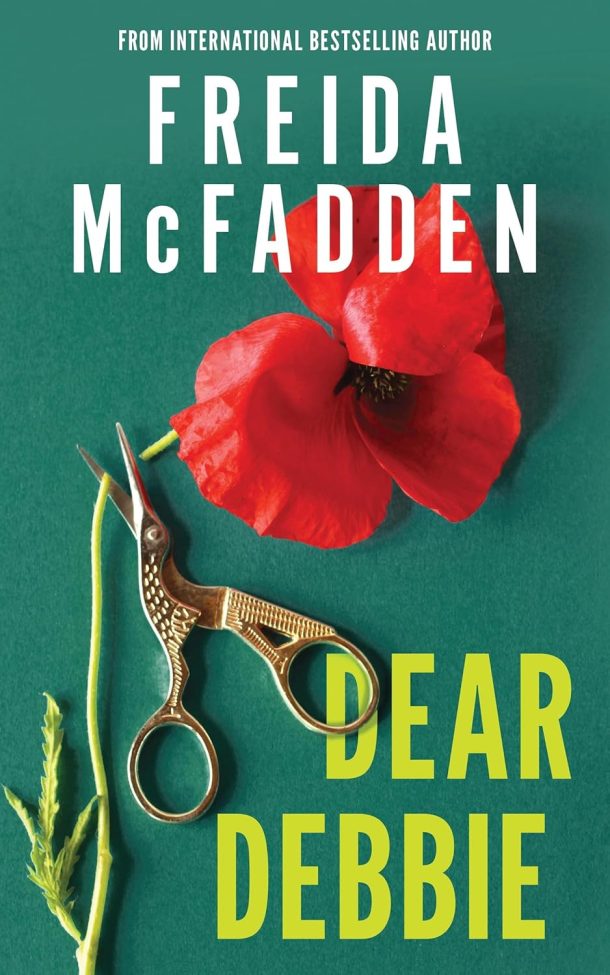 Dear Debbie by Freida McFadden
A frustrated advice columnist takes matters into her own hands. Before dropping out of MIT during the second semester of her sophomore year, Debbie Mullen had designs on becoming the next Bill Gates. Now, almost 30 years later, the stay-at-home wife and mother of two uses her considerable genius to keep the Mullens’ Hingham, Massachusetts, household functioning “like a well-oiled machine.” In her spare time, Debbie also gardens and shares “the fruits of [her] wisdom” with neighbors via the weekly advice column she writes for Hingham Household, a local “family-oriented” newspaper. Though Debbie is proud of her husband and teen daughters’ accomplishments, her own life sometimes feels a bit empty. As such, she’s both honored and excited when Home Gardening magazine selects her backyard to feature in their next issue. Then, at the last minute, the publication decides to go in a different direction and instead spotlights the roses of her arch rival. Later that day, the editor-in-chief of Hingham Household axes her column because she’d counseled a reader to get a divorce. That evening, Debbie learns that her hard-working husband’s miserly boss refused his promotion request, her brilliant older daughter’s sketchy boyfriend broke her heart, and her athletically gifted younger daughter’s chauvinistic coach cut her from the soccer team for being “chubby.” Enough is enough. Debbie has always given great advice—everybody says so. If certain individuals don’t know what’s best for themselves, maybe it’s her obligation to help them see the light. Increasingly unhinged entries from a “Dear Debbie” drafts folder pepper the briskly paced, meticulously crafted tale, which unfolds courtesy of a pinwheeling first-person narrative. Some of the plot’s myriad twists are more impressive than others, but plucky, puckish Debbie is a nontraditional antihero for the ages. Gleefully sadistic, gloriously gratifying revenge fiction. Kirkus Reviews, January 2026.
 Me and Mr Darcy by Alexandra Potter
U.K. author Potter makes her U.S. debut with Emily Albright, 29, a New York bookstore manager, who half-seriously blames Jane Austen’s Fitzwilliam Darcy for her abysmal dating life: Darcy sets the bar too high. As Christmas approaches, Emily, to avoid a holiday with co-worker Stella, signs up for a tour of Darcy territory, lighting out, amusingly, with a gaggle of gray-haired Darcy maniacs. As the tour group weaves in and out of Darcy locales, Emily butts heads with Spike Hargreaves, a handsome young journalist interviewing the group. Soon, the jet-lagged, drink-laden Emily finds herself—presto!—time traveling and meeting Mr. Darcy himself, complete with frock coat. As her acquaintance with Darcy deepens, Emily, to her great surprise, finds herself thinking about Spike. Despite the plot’s predictability, Potter’s chick lit take on Darcy has a refreshing not-trying-to-equal-the-master feel. Publisher’s Weekly, May 2007.
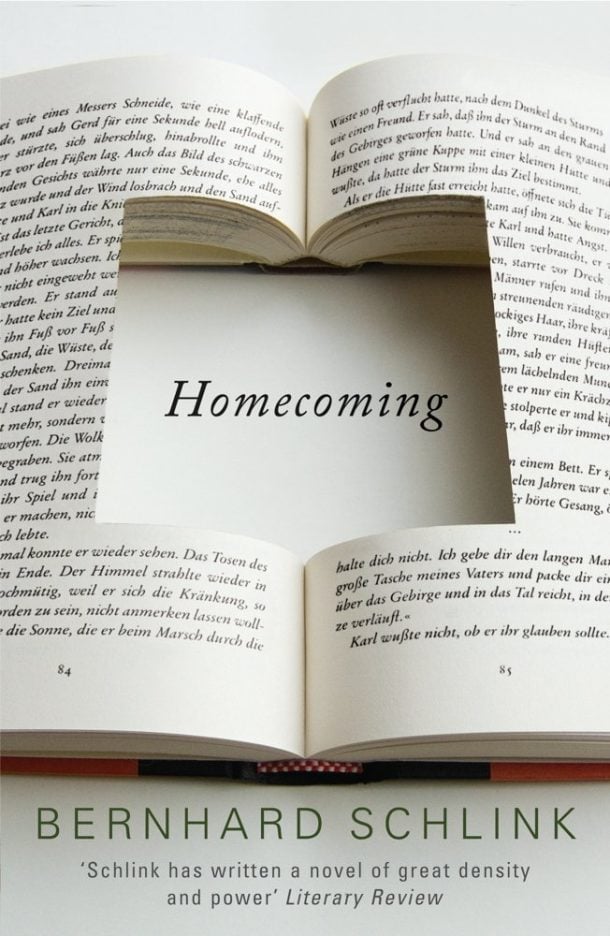 Homecoming by Bernhard Schlink
Schlink’s first novel, The Reader (1997), became a U.S. bestseller after it was an Oprah pick. That book, and his next, a short story collection, raised moral questions about Germany right after WWII; his latest, following two crime novels, takes up that line of inquiry and may be his most powerful and disquieting. The title refers to a pulp novel discovered in fragments by the narrator, Peter Debauer, and to Debauer’s quest to find the book’s pseudonymous author, who seems to have an uncanny knowledge of the conditions and landmarks of Debauer’s own youth in postwar Germany. This mysterious work, with similarities to The Odyssey , offers tantalizing clues to a deeper mystery, that of the identity of Debauer’s father, reported dead after the war. Debauer’s youth, failed career and love life play out against authoritatively detailed scenes of Nazi degeneracy, the fall of the Berlin Wall and the stark differences between East and West Germany. As in his previous works, Schlink’s protagonist is a flawed character who elicits the reader’s understanding but not affection—until the poignant denouement. Publisher’s Weekly, October 2007.
Return to top
HISTORICAL FICTION
| Brooks, Karen | The good wife of Bath |
| Scarrow, Simon | Warrior |
| Williams, Sue | The Duke’s secret |
 The Duke’s Secret by Sue Williams
In The Duke’s Secret, the latest historical fiction by Sue Williams (The Governor, His Wife and His Mistress), journalist Ava Washington sets out to verify a family legend. According to the story, her great, great, great grandmother, Mary Ann Marshal, bore an illegitimate daughter fathered by the Duke of Wellington. Mary Ann had joined the Duke’s household as a maid in 1793, at a time when the French Revolution was rattling British nerves. Beyond the fragments preserved through Williams’s family lore, on which the novel is based, she draws on extensive historical research to reconstruct Mary Ann’s world, vividly portraying the harsh physical labour of domestic service and the vast social gulf between servants and their employers. The Duke is depicted as a womaniser and an absent, disinterested father, deeply conservative and committed to keeping the social status quo. This makes the novel’s suggestion of frequent conversations between him and Mary Ann somewhat unlikely. The military campaigns that propelled the Duke to fame are superbly rendered – particularly the strategy, chaos and carnage of the battles against Napoleon, culminating in Waterloo. Equally engaging are the modern-day chapters in which Ava uses DNA technology to trace any lingering connection between her family and the Iron Duke. Williams’s brilliant depiction of the social and political conditions of the times ensures The Duke’s Secret is an enthralling and compelling read that should appeal to fans of Kate Grenville’s A Room Made of Leaves. Books Publishing, December 2025.
Return to top
MYSTERY
| Adler-Olsen, Jussi | Locked in |
| Atkins, Ace | Everybody wants to rule the world |
| Ayatsuji, Yukito | The Clock House murders |
| Beaton, M. C. | Death of a spy |
| Bennett, Margot | The widow of Bath |
| Bernet, Katie | Beth is dead |
| Chowdhury, Ajay | The shadow |
| Craig, Fergus, | I’m not the only murderer in my retirement home |
| Duffy, Michael | Death in the gardens |
| Edwards, Martin | Miss Winter in the library with a knife |
| French, Nicci | What happened that night |
| Gilbert, Victoria | Schooled in murder |
| Kellerman, Jonathan | Jigsaw |
| Kirk, J. D. | Blood and treachery |
| McDonald, Fleur | The missing |
| Patterson, James | Cross & Sampson |
| Robb, J. D. | Stolen in death |
| Shearer, L. T. | The cat who cracked a cold case |
| Sten, Viveca | Hidden in shadows |
| Swinfen, Ann | The bookseller’s tale |
| Thorogood, Robert | The mysterious affair of Judith Potts |
| Turner. A. K. | Dead fall |
| Vassell, Charlotte | The in crowd |
| Wood, Michael | The mind of a murderer |
 Everybody wants to rule the world by Ace Atkins
Atkins, who experimented in Don’t Let the Devil Ride (2024) with grafting an international thriller onto a regional crime story, goes full tilt this time without ever betraying his roots. Whether or not it’s true, as men’s magazine writer Dennis X. Hotchner’s agent has ruled, that “that old hard-boiled Mickey Spillane stuff is dead,” 1985 may just usher in a new period for the genre. Some time after deputy director Vitaly Yurchenko of the KGB’s First Directorate defects to the U.S., high school freshman Peter Bennett becomes convinced that Gary Powers, the bodybuilder who’s become the latest of the many men to share Connie Bennett’s bed, is actually a Russian spy who’s bent on hurting his mother and his homeland. Naturally, the Atlanta police pay no attention to Peter, but he does manage to attract the attention of Hotch, whose dreamy plans are backed up by the force majeure of Jackie Demure, a drag queen who once played defensive end for the Falcons. Meanwhile, federal agent Daniel J. Rafferty is sucked into lap dancer Trinity Velvet’s life when she shoots Larry, the ex who’s stalking her, with Rafferty’s gun, and KGB assassin Lisica, aka the White Fox, kills her asset Jennifer Buckner, a secretary and friend of Connie’s at Scientific Atlanta. Jenny’s purse doesn’t contain a crucial computer disk everyone’s looking for, but it does contain the business card of Sylvia Weaver, of the Atlanta FBI’s counterintelligence squad. Throughout the densely plotted complications that follow as these plot strands crisscross and tangle, Atkins never loses his sharp focus on troubled or wacky individual characters far more important than geopolitical struggles. International intrigue in a series of amusing, arresting closeups. Kirkus Reviews, December 2025.
 Peg and Rose Stir Up Trouble by Laurien Berenson
Berenson’s appealing yet meandering second cozy featuring sexagenarian dog show judge Peg Turnbull and her sister-in-law Rose Donovan (after 2022’s Peg and Rose Solve a Murder) finds Rose meddling in Peg’s private life. She convinces the widowed Peg to sign up for a seniors-focused dating site and, after a few false starts, Peg meets Nolan Abercrombie, a witty, urbane suitor who “looks like George Clooney’s father.” When he expresses an interest in dogs, the usually intractable Peg is enchanted. Her elation is short-lived, though: Nolan is killed in a hit-and-run just a few weeks after they start dating. The police believe it’s an accident, but Peg and Rose suspect foul play. As the bickering best friends dig into Nolan’s background, their list of possible suspects increases, and Peg starts to fear someone from her beloved’s complicated past was out to get him. Peg and Rose’s interplay is more lived in and endearing than it was in their last outing, and Berenson supplements the mystery with several welcome trips to the dog show ring. This will appeal to dog lovers and mystery readers who prefer a pleasant stroll over a race to the finish line. Publisher’s Weekly, April 2023.
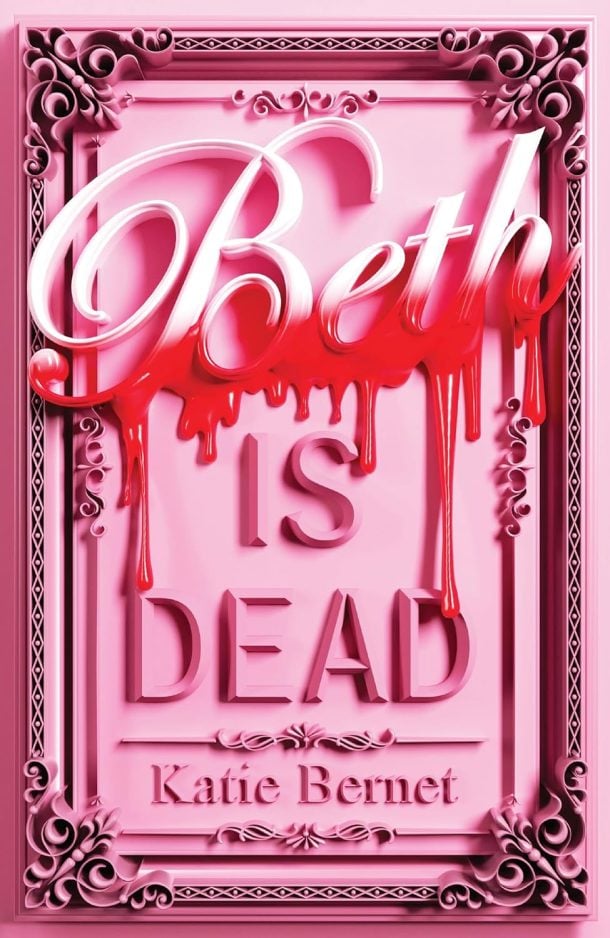 Beth is dead by Katie Bernet
High school junior Beth March is dead, but not from the effects of scarlet fever. Instead, at the start of this modern Little Women–inspired novel set in Concord, Massachusetts, the “doe-eyed” Beth appears to have been murdered. Everyone is a suspect (until they aren’t) in this twist-filled tale told from the perspective of each of the white-presenting March sisters: Meg, a Harvard student; Jo, a writer with big aspirations; misunderstood high school sophomore Amy; and even gentle, musically gifted Beth herself. Fans of the Louisa May Alcott original will appreciate the presence of supporting cast members like Sallie Gardiner and the Hummels even as they wonder which of the characters they know well is capable of homicide—including the March sisters’ bestselling author father, who’s cancelled for his tell-all coming-of-age novel about them and goes into hiding. The book thoroughly explores the characters’ possible motives, from jealousy to the quest for fame. In addition to the four narrators, the story moves between the past and present in shifts that could be dizzying, but debut author Bernet makes it work. She does a masterful job of preserving the distinct personalities and ambitions of the classic characters, transporting them to a contemporary setting and making them fresh and relevant for today’s readers. Even teens who don’t know Little Women will be engaged by this fast-paced and suspense-filled page turner. A thrilling take on a beloved story that will keep readers riveted. Kirkus Reviews, January 2026.
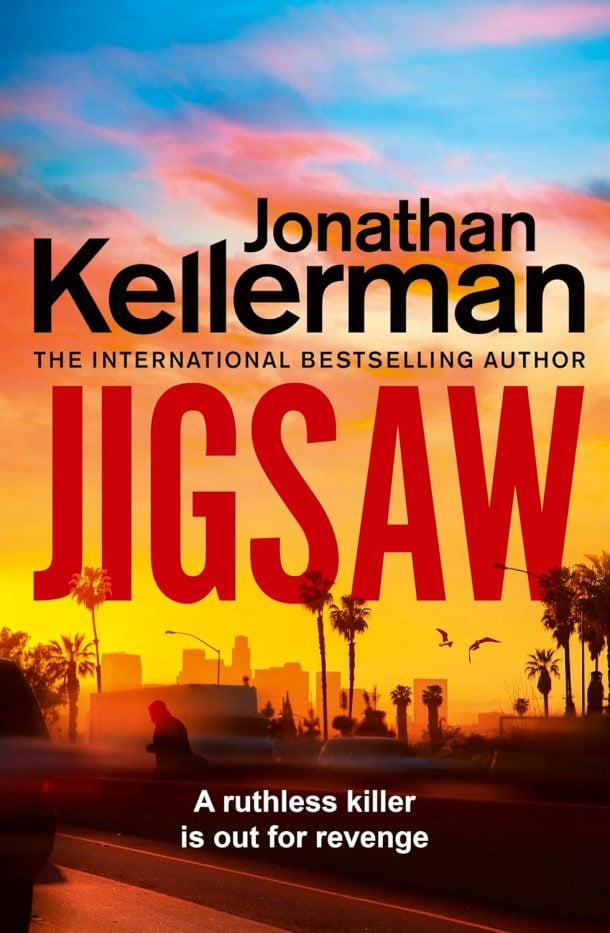 Jigsaw by Jonathan Kellerman
Delaware and Sturgis team up again to investigate a trio of murders in Los Angeles. A woman has been found strangled to death, homicide detective Milo Sturgis tells forensic psychologist Alex Delaware, who consults for the LAPD. The victim’s sleazebag ex-boyfriend is an obvious suspect. And then another woman’s body is found in a freezer, her arms severed, her appearance grotesque, because “death was a sadistic stylist.” Milo is shocked to learn her identity—she was a retired detective he used to work with. Another cop speculates on the manner of the murder, but Alex does not. “Two whodunits,” Milo says. “What deity have I offended?” But then two murders become three as a young woman dies from blunt force. She had been living in Safe Place, a repository where rich people house their developmentally disabled children. Given three different killing methods, the search is on for a common thread. In this 41st Alex Delaware novel, the most fun as always is in the easy relationship between Alex and Milo. “The worst in people brings out the best in Milo and me,” Alex says. He’s white, straight, intelligent, and handsome. He and his partner, Robin, delight in each other’s company both in and out of bed. Milo is gay, intelligent, not so great-looking, and loves to eat. In particular, he enjoys exploring Alex and Robin’s refrigerator to make huge sandwiches. They are all amiable and devoid of problems like alcoholism or troubled lives that other sleuths often face. So they aren’t heavily layered personalities and don’t go in for navel-gazing. “Introspection’s the enemy of getting the job done,” Alex says. Meanwhile, an analysis of the second victim’s dismemberment focuses on the type of tool the killer may have used. Milo suggests that it was a jigsaw because of the marks made on the bones. The plot moves at a steady pace and ends with a grace note that highlights Alex’s decency. Crime fans will like this one. Kirkus Reviews, February 2026.
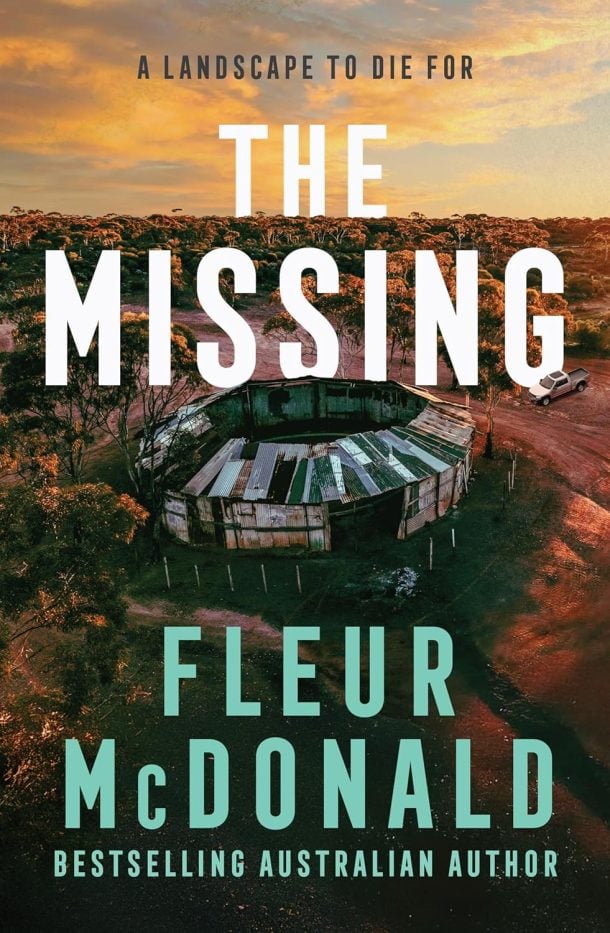 The Missing by Fleur McDonald
The Missing is set in rural, red Australia. Small-town life for 16 year old Max seems average. He is shy, good with computers, skirts around friendship groups but has no friends of his own, and likes a girl from the wrong side of town, Bree, who has a tough guy boyfriend. Max gets bullied a bit, his mother (always at school on P&C business) embarrasses him and his father is strict. His family are wealthy, and he has dreams of being a pilot. At a teenage party at an outback Two-Up ring, there is drinking, drugs, loud music, and there is Bree. Speaking to Bree, Max finds she too plans to leave town, and concrete plans are put in motion. That night Max disappears – everyone knows Max hates his father and wants to leave town. So, if a boy like Max suddenly disappears what are the parameters for the authorities to look for him? What would be the first conclusion everyone would jump to? A few days later after talking to the Police, Bree disappears. A year before that Brendon disappeared. Possibly runaways, until chilling CCTV footage comes to light. Two women, a police officer and a radio presenter, both new to small-town life, both with personal issues, buckle down and follow every lead however far-fetched to find these youngsters. The parameters of the police and the laws about forcing young runaways to return home are eye opening. McDonald’s great factuality, the amazing plot twist (which I didn’t see coming at all) and superb writing kept me hooked. Good Reading Magazine, February 2026.
 Hidden in Shadows by Viveca Sten
Sten delivers a pulse-pounding, character-driven follow-up to 2020’s Hidden in Snow that once again sees the powder near idyllic Swedish ski resort Åre stained red with blood. In February 2022, Det. Insp. Hanna Ahlander, formerly of the Stockholm PD’s domestic violence unit, and her colleague Daniel Lindskog are called to examine the corpse of a man found near the Norwegian border, with his hands tied behind his back and his head bashed in. The victim is identified as Johan Anderssen, a former Olympic skier who now owns a plumbing company. By all accounts, Johan was a cheerful, pleasant person, so what did he do to provoke such brutality? As Ahlander and Lindskog investigate, they discover links between Johan and a reclusive evangelical sect, and a web of secrets that could stir up even more violence. Sten dives deep into the family lives of her characters—police and suspects alike—revealing how spousal abuse, adultery, and the stresses of new parenthood affect them and shape the core mystery. It makes for nuanced, emotional storytelling that doesn’t stint on thrills. Publisher’s Weekly, September 2023.
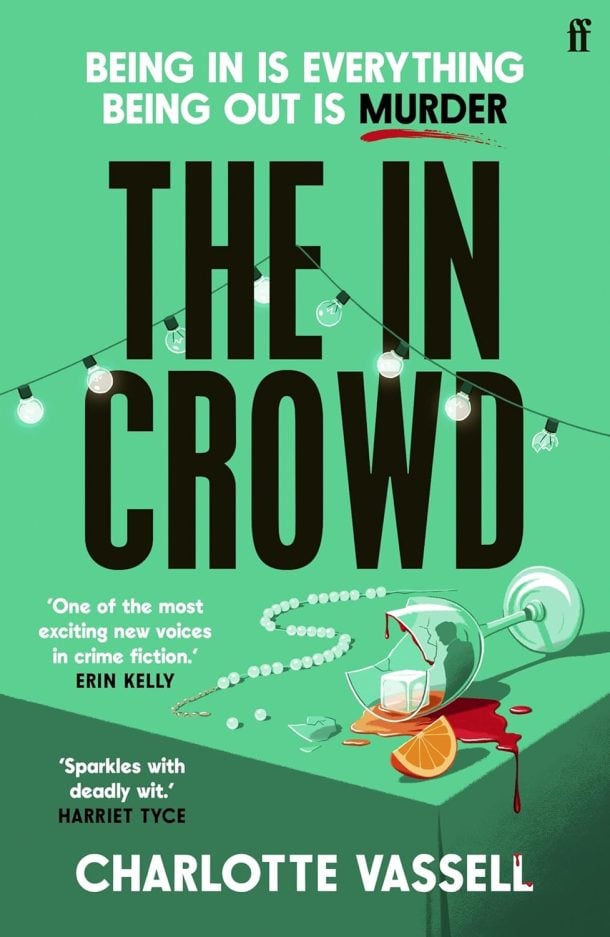 The In Crowd by Charlotte Vassell
DI Caius Beauchamp of London’s Metropolitan Police tackles two cold cases in Vassell’s second novel—which, like The Other Half (2023), blends crime solving with a skewering of Britain’s class system. In this smart, provocative novel, we’re again privy to Beauchamp’s detecting skills as well as his personal life as a biracial Londoner who can’t seem to avoid the snobby, sometimes racist, members of Britain’s aristocracy. Thirty years ago, a multimillion-pound pension fund was stolen and the culprits were never found. Now, a woman tied to the case is found drowned in the Thames, and the case is reopened. Meanwhile, Caius is reexamining the disappearance of a teenager from a boarding school 15 years before. There are no clues to work with, but the abuse the students endured there is coming to light. Vassell perfectly constructs a classic crime procedural against a backdrop of racism, sexism, and classism. Beauchamp is a winning character readers will adore. Equally charming is Callie Foster, a bespoke milliner for whom Beauchamp is falling hard. She’s sweet and naïve, in stark contrast to the variety of bitter and selfish characters. In a nod to The Other Half, Vassell brings back the sexual predator whom Beauchamp pursued in that novel, a man who, because of his upper-crust connections, was able to avoid consequences. Now he’s pursuing Callie, and this plot thread adds a satisfying bit of suspense. Readers don’t need to have read The Other Half to enjoy this intriguing novel, but reading both is as satisfying as pairing a cup of Earl Grey and a lavender biscuit. In the final pages, Vassell lays the groundwork for a third installment that promises to be as enjoyable as the ones that preceded it. A stellar sophomore outing for an intriguing detective. Kirkus Reviews, August 2024
Return to top
NON FICTION
| Crowe, Ben | Where the light gets in | 158.1 CROW |
| Goldsworthy, Adrian | Augustus | 937.07 GOLD |
| Haddrick, Greg | The mushroom murders | 364.15 HADD |
| Pedley, Derek | The Postcard Bandit | 364.1552 PEDL |
| Petraitis, Vikki | The vanishing of Vivienne Cameron | 364.15 PETR |
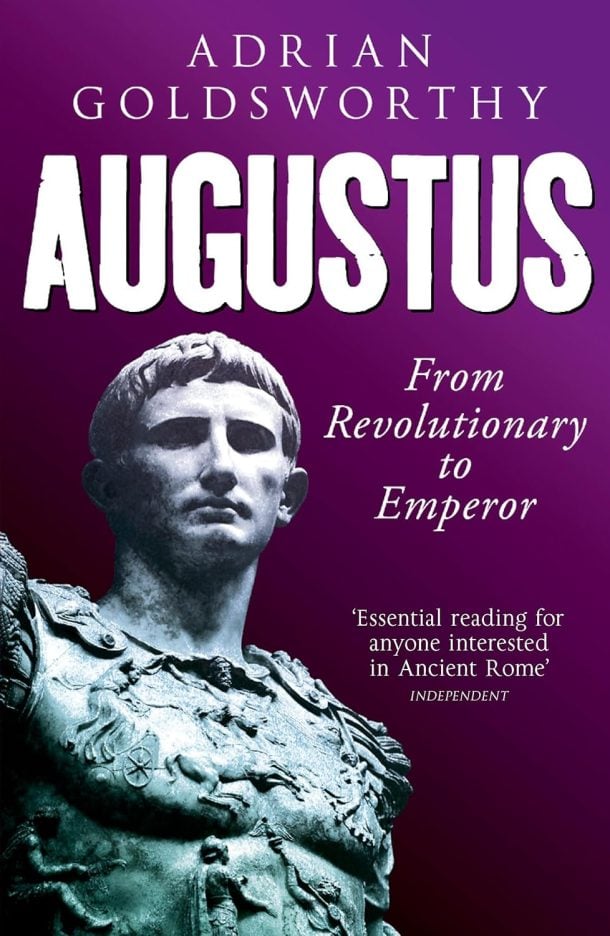 Augustus by Adrian Goldsworthy
Historian Goldsworthy (Caesar: Life of a Colossus, 2008, etc.) obviously has ancient Rome in his bones, and his biography of Augustus is also a solid chronicle of Rome and its development. Born Gaius Octavius, the great-nephew and adopted son and heir of the murdered Julius Caesar, Augustus emerged triumphant from the subsequent brandings, proscriptions and power struggles and was elected as the youngest consul ever. It seems everyone had his own army after Caesar’s death, and Caesar was shrewd enough to realize he needed to rely on talented men like Agrippa to defeat his enemies and take his place during his repeated attacks of ill health. It was also Agrippa who built the new infrastructures in Rome and throughout the empire. In fact, during much of Augustus’ reign, Agrippa did the work and happily let Augustus take all the credit. The author, who consults on documentaries for the BBC, National Geographic and other outlets, recounts the civilizing of Rome and makes sense of the political structure, as well as the strong reliance on family in politics and society. In Augustus’ 40-plus years of power, the empire expanded without the need for war—the reputation of Rome was sufficient to scare off any potential enemies. Augustus and Agrippa instituted new regulations for the army, trimmed the size of the senate, changed taxation, founded the police and fire services, and built roads, aqueducts and bridges. Augustus also made sure to visit each of the provinces. Instituting the beginning of 250 years of peace and stability, he was lauded by Horace, Virgil and countless others. Goldsworthy questions why Augustus has slipped off of many historians’ lists of great leaders, which include Julius Caesar, Alexander, Hannibal and Hadrian. He provides plenty of reasons why he should be at the top of those lists. Kirkus Reviews, August 2014.
Return to top
POETRY
| Oondatje, Michael | A year of last things |
 A Year of Last Things by Michael Ondaatje
The dazzling latest by Ondaatje (The Story) brings his formidable literary gifts and imagination to bear on questions of memory and artistic process. Tenderly plumbing friends, ex-lovers, works of art, and “echoing rivers where we lost and found ourselves,” he writes of “all those small recalls of this and that/ before our walk up a staircase into the dark.” Photographs serve as especially potent aides-mémoires, and retrospection is more playful than onerous, even when recollected moments retain their dangerous charge (like “that abandoned time” in boarding school under the reign of an abusive priest, “his large body belted with a Christian cord of rope”). Each experience exists “not as memory, but like a gift/ from forgetfulness.” “Nothing stays still in a story,” Ondaatje reminds the reader, and, indeed, the narrative impulse holds sway in these lyric poems: “your bare feet on a mosaic in Gaza that could perhaps guide you like a terza rima towards a safe place to complete your story.” Poetry offers a place “beyond the familiar properties”: “the breaking line’s breath-like leap/ into the missed life// till there was no longer a story, only stillness/ or falling.” Speaking from and into times of extraordinary loss, the speaker asks: “Now we are less. How do we become more?” This collection radiates the joy of a fully realized, literary life. Publisher’s Weekly, March 2024.
Return to top
ROMANCE
| Gilmore, Laurie | The Pumpkin Spice Cafe |
| Rodale, Maya | Duchess by design |
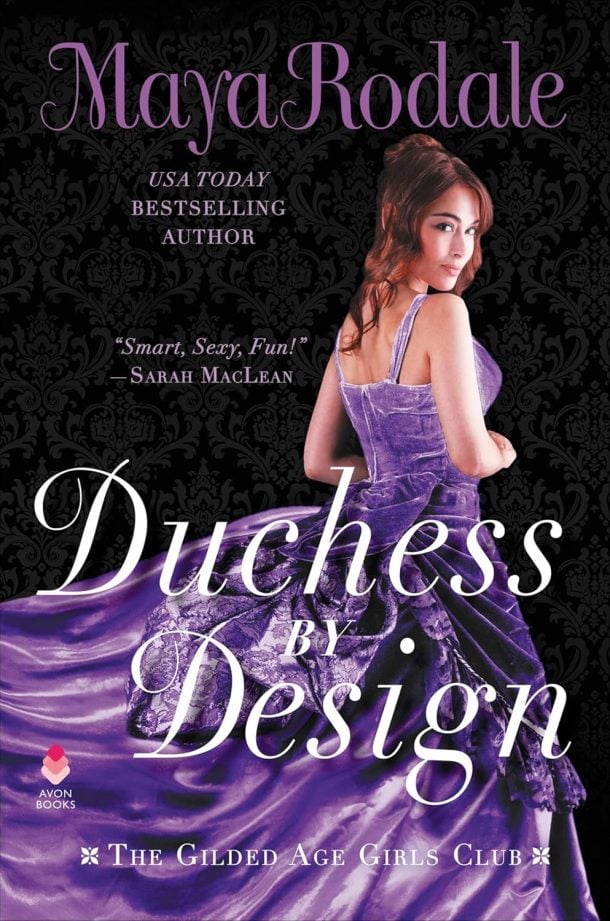 Duchess by Design by Maya Rodale
The Duke of Kingston has crossed the pond to wed a wealthy heiress, a quest complicated when he meets a talented, ambitious seamstress he mistakes for a potential wife. On the way to a fitting with an heiress at a Fifth Avenue hotel, seamstress Adeline Black literally runs into the Duke of Kingston in the lobby. The duke has come to America to find a rich wife and immediately been deemed the most eligible bachelor in New York. Adeline reads the papers and realizes that the handsome Englishman is the celebrated duke, and while they shared an instant attraction and a brief flirtation, he is completely out of her league. Kingston, meanwhile, misinterprets the fact that she’s in the hotel to mean she’s from the upper class. When he pursues her, he inadvertently gets her fired, which is at first devastating but ultimately leads her back to the heiress client who, along with a group of forward-thinking society women, backs her in establishing her own dressmaker’s shop, rewarding Adeline’s talent, vision, and courage to express her dreams. Her designs quickly become the talk of the town, as does the duke’s interest, though they both know he must marry wealth. The relationship remains platonic but still tarnishes her reputation, since society considers her a threat and her former employer is resentful of her success. Just as Kingston resolves to marry the woman he loves, thanks in huge part to Adeline’s penchant for challenging his worldview, Adeline’s integrity and devotion to the women who now work for her may jeopardize their chance for happiness. In the end, Adeline’s originally weary reproach of “Change the world, Duke” becomes both an aspiration and a rallying cry for the remarkable couple. Rodale’s Gilded Age–set series launch is a smart, bright love story that perfectly balances messages of female empowerment and social potential with romantic tensions created by class and gender dichotomies ripe for revolution. Kirkus Reviews, October 2018.
Return to top
SCIENCE FICTION & FANTASY
| Dinniman, Matt | Dungeon crawler Carl |
| Edward, Cecilia | An ancient witch’s guide to modern dating |
| Fawcett, Heather | Agnes Aubert’s mystical cat shelter |
| Islington, James | The strength of the few |
| Kaufman, Amie | Red star rebels |
| Robson, Eddie | Heist of hollow London |
| Sullivan, Ariel | Conform |
 Agnes Aubert’s Mystical Cat Shelter by Heather Fawcett
The mundane challenges and rewards of running a cat shelter intersect with illicit magic in this charming 1920s-set cozy fantasy from bestseller Fawcett (Emily Wilde’s Encyclopaedia of Faeries). When Agnes Aubert’s Montreal cat shelter is forced to move to a new location, the space she finds seems too good to be true. The reason for the building’s affordability soon becomes clear: there is a covert magic shop in the basement, run by none other than Havelock Renard, the notorious dark magician who nearly ended the world three years ago. Sensible Agnes wants nothing to do with magic, but when an old enemy of Havelock’s shows up and threatens the cat shelter, she can’t help but be drawn into Havelock’s chaotic world. Agnes is serious and steady, focused entirely on her cats, so her attraction to Havelock catches her completely off guard. Fawcett has a talent for infusing ordinary tasks, including the operation of both the shelter and the magic shop, with wonder and amusement via supernatural flourishes that keep things lively between visits from Havelock’s nemesis and the suspicious local police detective. A handful of unanswered questions may frustrate readers, but the enchanting atmosphere, cute romance, and frisky feline supporting cast delight. Cat lovers will be especially pleased. Publisher’s Weekly, November 2025.
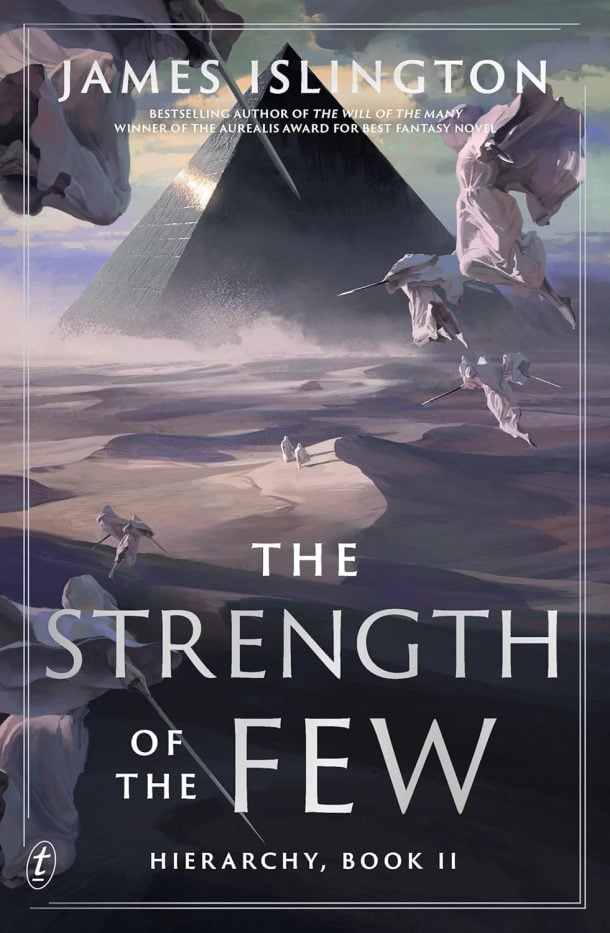 The Strength of the Few by James Islington
When Vis is copied into two other realities, he must stop a god from repeatedly culling almost everyone back home. Thousands of years ago, to prevent the Concurrence from enslaving everyone, the world was split into three near-identical copies: Res, Obiteum, and Luceum. To exist in all three worlds, to wield Will there, is to achieve synchronism. After the events in The Will of the Many (2023), which cost Vis his arm and the life of his friend, Vis achieves Synchronism. While Res-Vis must continue to play Hierarchy politics to find his friend’s killer, Obiteum-Vis finds a ruined world, where the dead are reanimated and used by Ka, the Concurrence, and the only other person to exist in synchronism. Meanwhile, Luceum-Vis is forced into a dispute between druids, their High Council, and their kings—with one king intent on killing him—and Vis has no idea why. On all worlds, Vis is as shrewd as ever, weighing his options, planning ahead, and doing what he must to survive. However, he, too, slowly diverges, doing things he swore he never would: cede his Will, use Will to control someone else, and reveal his true name. If at least one Vis cannot use his synchronism and power of Will to kill the Concurrence, no Vis will be safe, and another Cataclysm will cull those he loves on Res. Book Two of the Hierarchy series is a speculative fantasy that is at once Egyptian post-apocalyptic, Celtic medieval, and Roman dystopian, thanks to the multidimensional setting. Although the sprawling narrative at times overextends itself, Islington rewards patient readers with a compelling story, a cast of complex and diverse characters, and a glimpse into how far a good man can go before he’s lost. A symbol at the start of each chapter delineates which world and Vis it’s about. Readers should read The Will of the Many before attempting this volume, or they may be confused for the first several chapters and beyond. A unique concept that promises readers will find at least one, if not three, entwined but different narratives to enjoy. Kirkus Reviews, November 2025.
 Red star rebels by Amie Kaufman
Two teens are trapped on a hijacked Mars station in bestseller Kaufman’s latest. Eighteen-year-old Hunter Graves is the heir to GravesUP Industries, the most powerful corporation in the solar system. His billionaire family is responsible for the colonization of Mars. Hunter is handsome, charming, and the embodiment of everything that scrappy 17-year-old hitcher Cleo thinks is wrong with the world. When Pax Station is suddenly evacuated and Cleo, who stowed away to get there, is left behind in the chaos with Hunter, they’re forced to become a team. The stakes rise when a mysterious hostile force takes over Pax, and the teens realize that the evacuation was a setup. As Hunter and Cleo work together to thwart the invaders, their romantic chemistry builds and their bond becomes one of genuine connection. All the while, Cleo’s criminal past becomes harder to keep secret. The story takes place over the course of eight hours, enhancing its tension and fast pace. The romance has a rocky start, thanks to sheltered Hunter’s classist belief system, but it evolves into something that’s grounded and believable. The futuristic setting allows for some pointed social commentary on the state of our capitalist, corporatist society. GravesUP Industries itself features some notable parallels to the contemporary privatization of space travel. Cleo, who’s queer, is cued white, and Hunter has brown skin. This engaging Martian romance will keep readers glued to the page. Kirkus Reviews, February 2026.
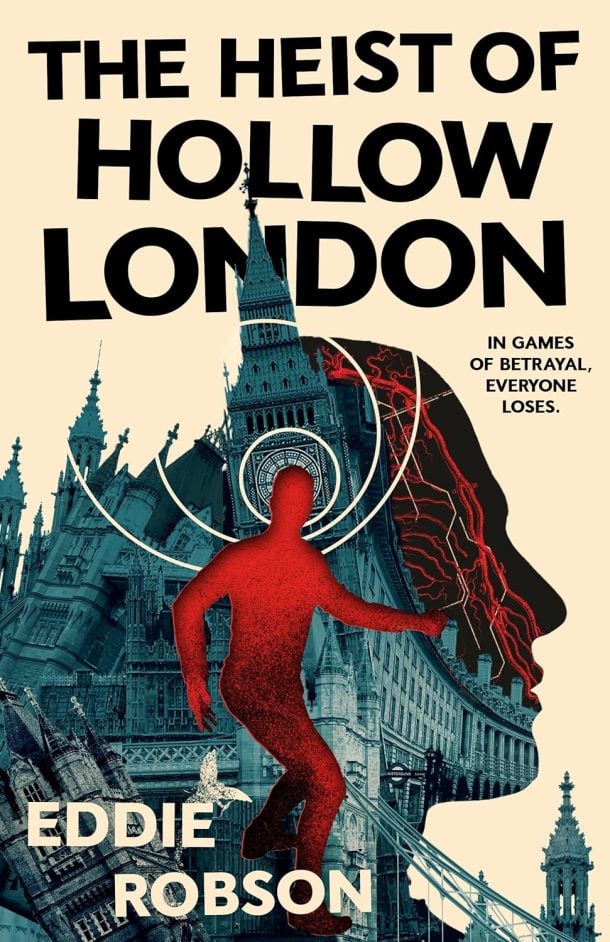 The Heist of Hollow London by Eddie Robson
Tense, twisty, and thoughtful, this futuristic heist tale from Robson (Drunk on All Your Strange New Words) sets an impressive thrill ride against the backdrop of a crumbling and corrupt dystopia. In the future, corporations create clones of executives intended to serve as “spare parts” should the need arise. To pay back the cost of their creation, these “mades” are indentured in myriad positions within their companies. When one of the world’s largest corporations, Oakseed, unexpectedly goes bust, all of its assets are scheduled for decommission, destruction, or sale. Mia Ostrander, a former developer for Oakseed, buys a handful of the company’s mades, including brand ambassador Arlo, security officer Nadi, and IT specialist Loren, and presents them with a bold plan: to steal a digital Coyne, “a type of anonymized, untraceable data storage device” worth $80 million, from a soon-to-be-decommissioned facility. If they succeed, they’ll all be able to buy their freedom. But security is tight, someone’s always watching, and that much money is enough to tempt anyone. This unlikely crew of clones will risk everything and, in the process, discover what they’re truly made of. Explorations of identity, commodification, and exploitation run throughout the narrative, which toggles between the crew’s multiple perspectives as they scheme their way toward victory. This works on every level. Publisher’s Weekly, November 2025.
Return to top
New additions to eBooks at SMSA
EBOOKS
| General Novels | Kitagawa, Yasushi | The Lucky Ride |
| General Novels | Norek, Olivier | The Winter Warriors |
| General Novels | Thrall, Nathan | A Day in the Life of Abed Salama |
| Mystery | Ayliffe, Tim | Dark Desert Road |
| Mystery | Blunt, Ashley Kalagian | Like, Follow, Die |
| Mystery | Burrowes, Grace | A Gentleman under the mistletoe |
| Mystery | MacBride, Stuart | And the Corpse Wore Tartan |
| Mystery | Miller, C. L. | The Antique Hunter’s Death on the Red Sea |
| Non fiction | Coyle, Thomas | The Dead Speak |
| Non fiction | Leigh, Andrew | The Shortest History of Innovation |
 The Winter Warriors by Olivier Norek
The Winter Warriors is the timely, thrilling, and deeply affecting novel of this extraordinary national cliffhanger … Combining fascinating reportage with actual and imagined conversations, this page-turner falls into a genre of new fiction in which the vérité of events becomes subordinated to Norek’s brilliant character-study of a shy but natural-born killer … The appeal of this tour de force owes a lot to its intensity, brilliance, and ferocity, but also to a deeply moving portrait of an accidental patriot who discovers that the way to save his country is to perfect the fine art of the sniper’s revenge. The Independent.
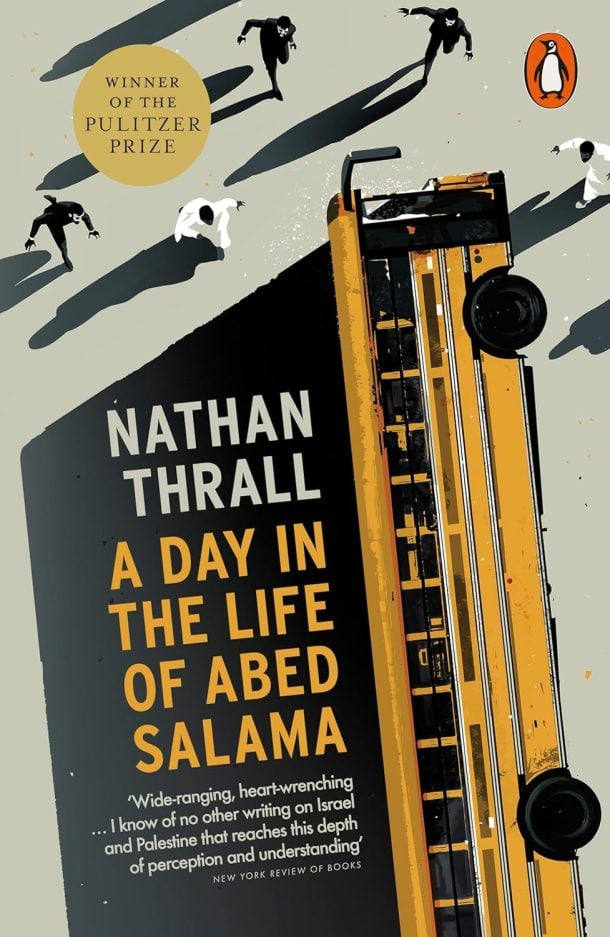 A Day in the Life of Abed Salama by Nathan Thrall
Journalist Thrall (The Only Language They Understand) offers a unique window onto the Israeli-Palestinian conflict in this captivating profile of Abed Salama, a Palestinian phone company worker and political activist, on the day in February 2012 when his five-year-old son, Malid, was among the seven people killed in a traffic accident near Jerusalem. The driver of the semitrailer that crashed into the bus carrying Malid’s kindergarten class was blamed for the accident and sentenced to 30 months in prison, but investigators failed to spell out other factors that made the accident and its aftermath worse, such as badly maintained Palestinian infrastructure (the road was congested and poorly lit); the barrier wall dividing Jerusalem from surrounding Palestinian neighborhoods (checkpoints delayed first responders); and a bureaucratic system intended to restrict Palestinians like Salama (because his ID indicated that he had served time in prison—a stint resulting from his affiliation with the Democratic Front for the Liberation of Palestine—Salama was unable to cross into Jerusalem in search of his son). Through extensive interviews and research, Thrall reconstructs the day of the accident, interweaving stories of Jewish and Palestinian people involved, including a doctor and a teacher who helped rescue some of the children. But he also dives into the past, recounting Salama’s and the rescuers’ life stories and the history of the construction of the barrier wall. It’s a heart-wrenching portrait of an unequal society. Publisher’s Weekly, August 2023.
 The Shortest History of Innovation by Andrew Leigh
Andrew Leigh is one of those people who make you feel a little small; when he’s not running marathons, looking after his family, or being the Assistant Minister for Productivity, Competition, Charities and Treasury, he’s writing books about the policy areas that he’s interested in. His PhD was on poverty and inequality, and his many books reflect that interest – he is always seeking to understand what policies can deliver the best outcomes for the most people and deliver a free and democratic society. With a lively and engaging narrative, the book is peppered with Eureka examples, as well as charming, corny jokes. Leigh is basically an optimist, believing that we can solve society’s problems. Understanding the drivers of change can help us develop and support policies that have a positive impact; in his previous book, The Shortest History of Economics, he examined how economics has impacted the world and, in his new book, he turns his attention to innovation. Innovation has changed people’s lives, mostly for the better. How does innovation happen? How can we make it happen? How can we make it happen so that it benefits society? What happens when innovations go ‘rogue’? Leigh’s mastery of his topic is impressive as he ranges across all types of human innovation. It’s a common myth that a lot of innovation is the result of one person’s ‘Eureka moment’. Leigh shows that the best innovation comes about through societies that encourage openness and collaboration. When people work together with good will, amazing things happen. With a lively and engaging narrative, the book is peppered with Eureka examples, as well as charming, corny jokes. Readings, February 2026.
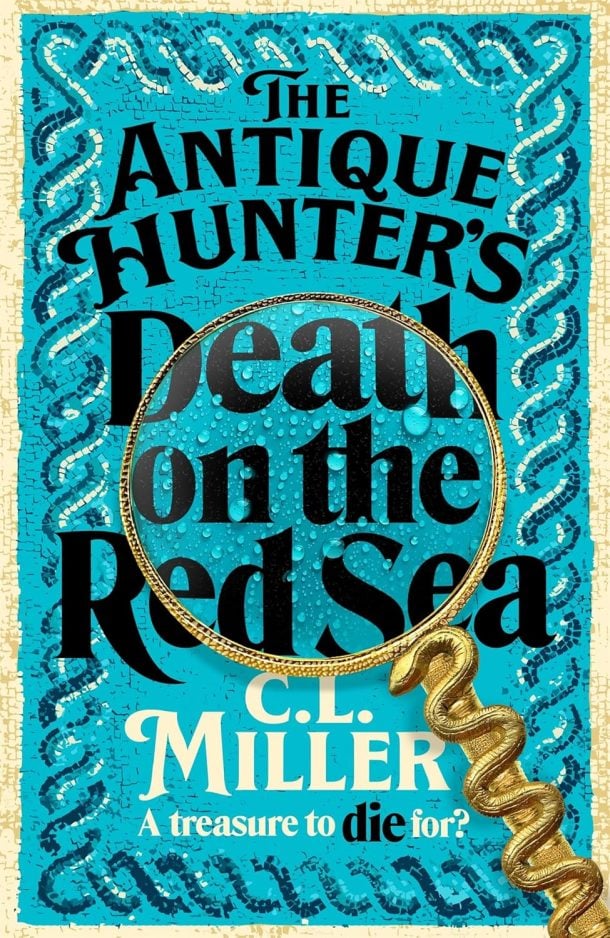 The Antique Hunter’s Death on the Red Sea by C.L. Miller
In the entertaining sequel to The Antique Hunter’s Guide to Murder, Miller once again explores the dark underbelly of the antiques trade. Spunky 47-year-old Freya Lockwood and her vivacious aunt Carole have recently inherited Crockleford Antiques from the late Arthur Crockleford in the English village of Little Meddington. In addition to running Arthur’s shop, Freya and Carole carry on Arthur’s work exposing the black-market trade in art and antiquities. To that end, Freya accepts an invitation to serve as an in-house expert for an antiques-themed cruise from Cyprus to Jordan—an engagement she assumes Arthur had agreed to before his unexpected death. While onboard, her true mission is to ferret out the identity of a mysterious dealer known only as The Collector, who heads an international thieving syndicate. It proves a difficult task, considering that the ship is awash with double-dealers, fraudsters, and at least one killer, the latter of whom raises the stakes of Freya’s sleuthing from securing stolen goods to preventing murder. Readers steeped in the antiques world will be delighted by Miller’s robust knowledge of the trade, and Freya remains an appealing protagonist. This series continues to deliver. Publisher’s Weekly, November 2024.
Return to top
AUDIOBOOKS
| General Novels | McKay, Kristy | Seven all alone |
| General Novels | McFadden, Freida | Dear Debbie |
| General Novels | Thomas, Craig | That’s not how it happened |
| Historical | Simons, Paullina | The Bronze Horseman |
| Mystery | Alexander, Ellie | A very novel murder |
| Mystery | Brennan, Allison | See how they hide |
| Mystery | Cahoon, Lynn | Sleuthing with the Stars |
| Mystery | Coble, Colleen | When justice comes |
| SciFi/Fantasy | Kelly, Seana | Bewicched |
| SciFi/Fantasy | Maehrer, Hannah Nicole | Apprentice to the villain |
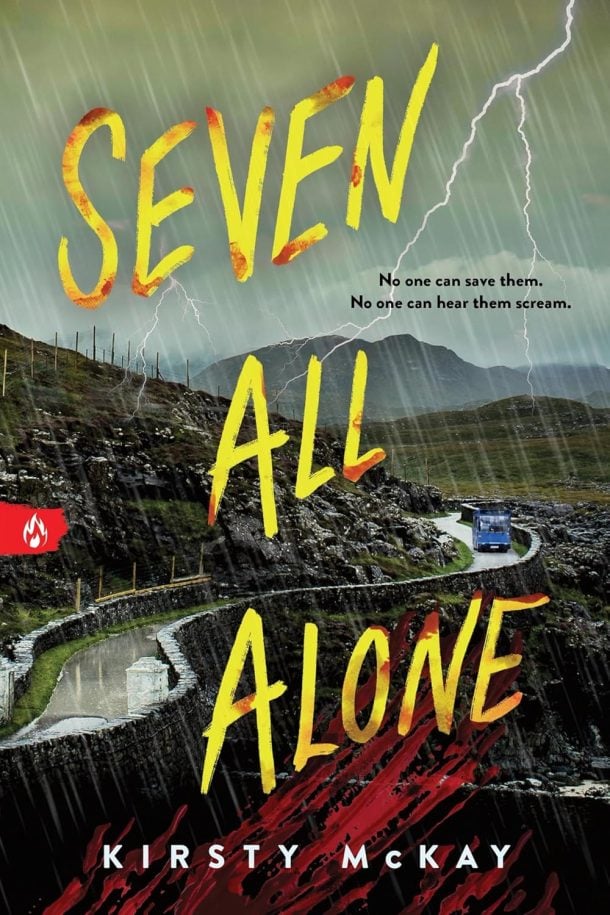 Seven All Alone by Kirsty McKay
Seven teens returning to the scene of a traumatic memory must evade an unknown assailant in this formulaic survival thriller by McKay (Have You Seen My Sister?). A prologue details the kidnapping of Maggie and her six elementary school classmates. After the others escape captivity in the Scottish Highlands and leave Maggie behind, a later encounter between the six-year-old and her kidnapper culminates in her captor falling off a cliff. Ten years later, the youths, now teenagers, head back into the Highlands for a school-sanctioned camping trip chaperoned by Maggie’s math teacher father. While most of the company overcomes their first mountain obstacle—a river crossing—via boat, the vessel is soon carried downstream by the fast-moving rapids with only Maggie’s father and classmate Ant on board. Now stranded, the six remaining teens take shelter in a seemingly abandoned shepherd’s hut, waiting for the pair to return. But as the weather worsens and their lost companions fail to appear, things go from bad to worse. Maggie’s emotional strength and vulnerability, and her desire to overcome feelings of abandonment brought about by people she believed were her friends, make up the core of this high-stakes whodunit. Publisher’s Weekly, November 2025.
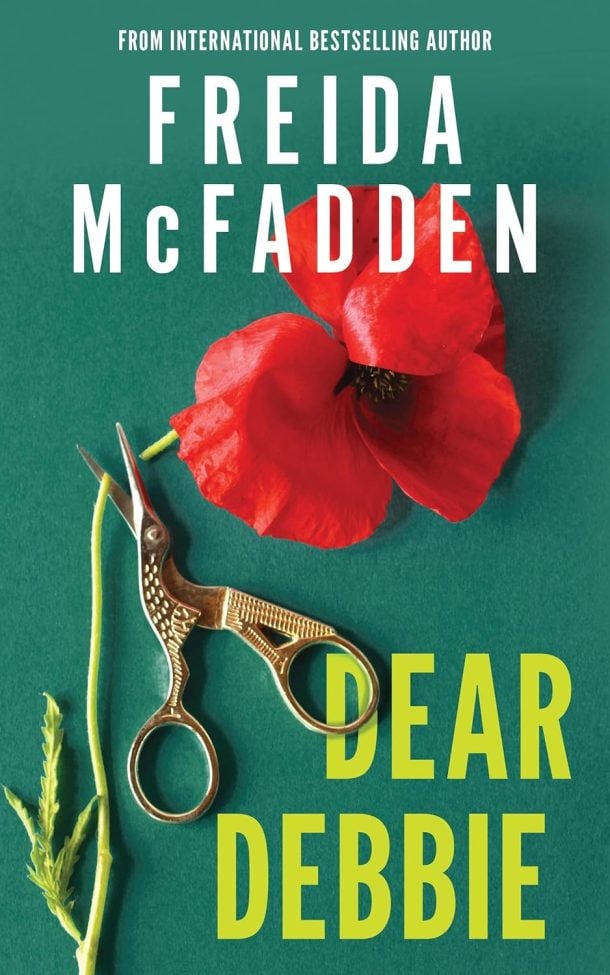 Dear Debbie by Freida McFadden
Bestseller McFadden (The Intruder) returns with a nasty dive inside the mind of the brilliant, psychopathic advice columnist Debbie Mullen. Thirty years ago, Debbie was an MIT computer science major en route to becoming the next Bill Gates. Now she writes an agony aunt column for her local newspaper in suburban Massachusetts and tries to be a supportive wife and mother to two teenage daughters. After Debbie is fired from her job at the paper for advising a reader to divorce her abusive husband, she comes into contact with an old enemy from college, and decides to take a more proactive—and less socially acceptable—approach to seeking justice. Drawing on her sharp computer skills, Debbie begins doling out twisted comeuppance to members of her shiny suburban set, including self-important book club attendees and predatory educators. Debbie’s dark but consistent moral code makes her easy to root for, but once the action kicks into high gear, it becomes a tad monotonous. Still, this darkly funny thriller will put a wicked smile on readers’ faces. Publisher’s Weekly, October 2025.