


BIOGRAPHY
| Bramston, Troy | Gough Whitlam |
| Pelicot, Gisele | A hymn to life |
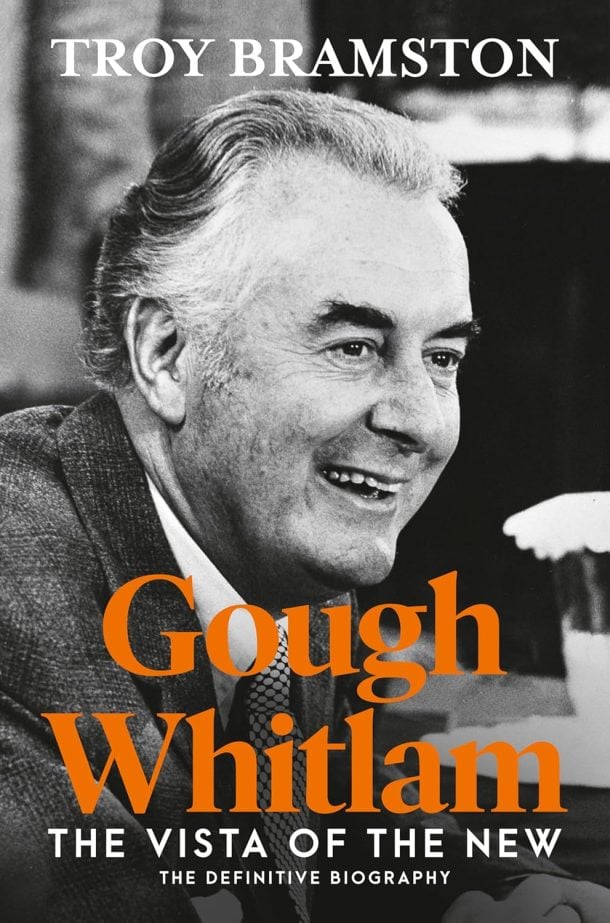 Gough Whitlam: The Vista of the New by Troy Bramston
In 1972 my mother tried to take me to see Gough Whitlam’s campaign launch at the Blacktown Worker’s Club. The crowds meant it was impossible to get near the place, so we went home and watched it on TV. We did have a copy of the text of Gough’s speech and I confess I pretty much memorised it. Very difficult to imagine a 12-year-old memorising one of Albo’s speeches – and impossible for any of his predecessors, though both Menzies and Keating are pretty quotable. It is hard to convey to people who were not around in 1972 the scale of excitement and engagement which the ‘It’s Time’ election campaign and its star – Gough Whitlam – attracted when the ALP ended 24 years of conservative government and proceeded to drag the country into the late 20th century. It would be fair to say, not everything went according to plan. In particular, the 1973 Yom Kippur War and the related quadrupling of the price of oil ignited inflation in all Western economies and was arguably not well handled by Whitlam’s treasurer at the time one Dr Jim Cairns (who had other pressing concerns). But Whitlam won the 1974 election, and his government introduced radical and overdue change in culture, foreign affairs, education, welfare, immigration and health. Our major cities were finally sewered. Multiculturalism was established as official policy. Medibank provided universal health care. An Australian film industry rose from the dead. In 1975 he was dismissed by the Governor General and lost the ensuing election to Malcolm Fraser. Whitlam had been Prime Minister for only three years, but his government had changed the nation in a way not seen since (including by the Hawke-Keating opening of the economy) For such a significant political figure we are not over supplied with biographies. Whitlam’s speech writer Graham Freudenberg’s A Certain Grandeur was published in 1977 – too soon to provide definitive perspective. Jenny Hocking’s His Time is extremely detailed, widely praised but authorised and therefore inevitably sympathetic. Troy Bramston on the other hand is a News Ltd journalist who has written a number of solid biographies of Australian politicians and is a an old-fashioned- neoliberal. He is not going to let Gough off lightly. It is of particular significance therefore that his analysis in Gough Whitlam is overwhelmingly positive – criticism of Whitlam’s chaotic cabinet and economic missteps notwithstanding. Bramston’s treatment of Whitlam is thorough and for the most part fair, though it is clear that The Hawke-Keating Government was more his cup of tea. For a well-researched, objective single volume take on a great Australian Gough Whitlam: The vista of the new is highly recommended. Good Reading Magazine, March 2026.
 A Hymn to Life: Shame has to Change Sides by Gisele Pelicot
A memoir by the victim of an infamous and shocking series of sex crimes. Pelicot courageously waived her right to anonymity to prosecute her husband, who repeatedly drugged her for a decade and then encouraged dozens of men to rape her. Her moving memoir, written with journalist Perrignon, opens with a diagnostic incident in which he has been arrested. He confessed to her that “he had done something foolish…filming under three women’s skirts” at a supermarket in the South of France, about which she comments, “It was terrible to think of my husband stalking these women, unbearable to imagine him as an offender, but it could have been so much worse.” It quickly became so much worse when a police officer tells her, “I am going to show you some photographs and videos that you are not going to like.” The revelation forces Pelicot to examine in retrospect a telling pattern of behavior that included domination, debt, and strange fantasizing, with him “suggesting things he had seen in porn magazines”; more than that, as she learns more of her husband’s secret life, she also learns that he is under suspicion of having committed murder. In time, he and 51 men he recruited stood trial, with her husband receiving what might seem an unduly lenient 20-year prison term, the others, “all those ordinary men,” terms of three to 15 years. There were other perpetrators who could not be identified, too, now “filthy bastards walking free.” Pelicot writes convincingly of the shame that women defending themselves against sexual abusers too often face at the hands of lawyers who tried to “reduce one woman—and therefore all women—to absolute submission in the name of male domination,” and she is unsparing of an insatiable media at a time when she “wanted to be accorded a little time, restraint and discretion.” A heartrending and courageous account of the ultimate betrayal. Kirkus Reviews, February 2026.
Return to top
COOKING
| Harfull, Liz | The new blue ribbon cookbook |
Return to top
GENERAL FICTION
| Barelli, Natalie | Finders keepers |
| Bazyar, Shida | The nights are quiet in Tehran |
| Buchanan, Eleanor | The sea stone sisters |
| Delaney, JP | The move |
| Douglas, Claire | The family friend |
| Hall, Rodney | Vortex |
| Henry, Emily | People we meet on vacation |
| Inglis Hall, Lori | The shock of the light |
| Jinks, Catherine | Panic |
| Kehlmann, Daniel | The director |
| Kelly, Cathy | The island retreat |
| Kubica, Mary | It’s not her |
| Levi, Allen | Theo of golden |
| Lowe, Ali | The second wife |
| Lowe, Fiona | The drowning |
| Major, Cesca | The other girl |
| Marshall, Kate Alice | The girls before |
| McCloskey, David | The Persian |
| McDermott, Kirstyn | What the bones know |
| McFadden, Freida | Want to know a secret? |
| Milligan, Louise | Shellybanks |
| Patterson, Sue | The mother-daughter book club |
| Peppernell, Courtney | The last poem |
| Ravn, Olga | The wax child |
| Sabit, Patmeena | Good people |
| Stedman, M. L. | A far-flung life |
| Thompson, Kate | The secret society of librarians |
| Walker, Sita | In a common hour |
| Yuzuki, Asako | Hooked |
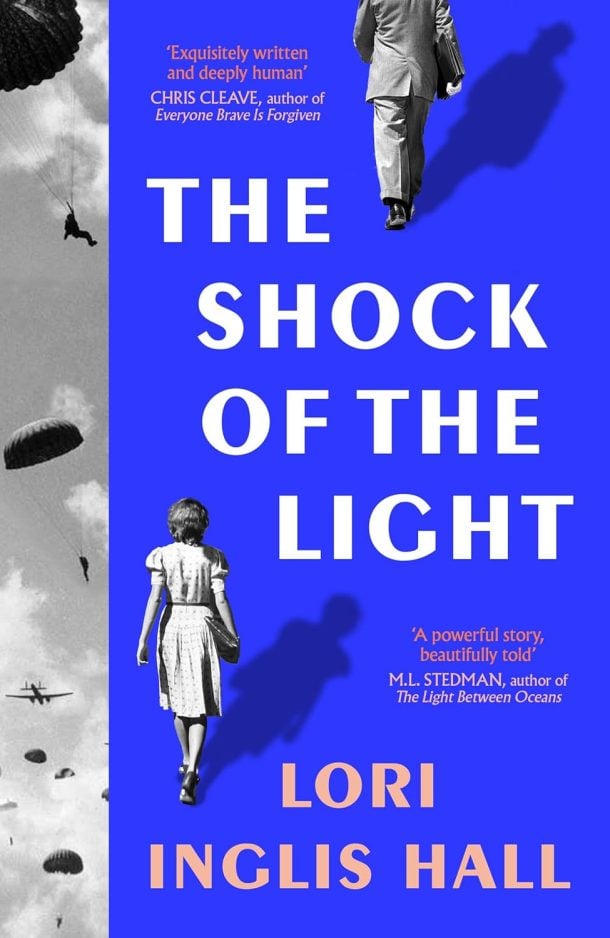 The Shock of the Light by Lori Inglis Hall
Hall debuts with an enticing saga of wartime love and loss centered on a pair of twins from Cambridge, England. When Theo Armstrong joins the Royal Air Force, his sister, Tessa, begins training as a spy for the Special Operations Executive (SOE), telling her family she’s becoming a nurse. After Tessa makes a parachute drop into German-occupied France, she winds up joining the Resistance. Meanwhile, Theo flies into battle at Normandy with fellow pilot Richard Barnes, with whom he hopes to embark on a love affair if both survive the mission. A fiery dogfight ensues, leaving Richard’s fate uncertain in the aftermath, and Theo returns home, where the British government tells him and his parents that Tessa was a spy and that she’s gone missing. Later, Theo joins the government’s security directorate to find Tessa and other missing agents while keeping silent about his sexuality, which is criminalized in Britain. Hall then fast-forwards to 2003 when Theo works with PhD student Edie who is researching female agents in the SOE, and together they search for the truth about what happened to Tessa. Hall evokes the strong bond between siblings, showing how Tessa is not to be outdone by the heroic Theo, and the thrilling narrative highlights the perilous work of female SOE agents. Fans of WWII fiction won’t want to put it down. Publisher’s Weekly, January 2026.
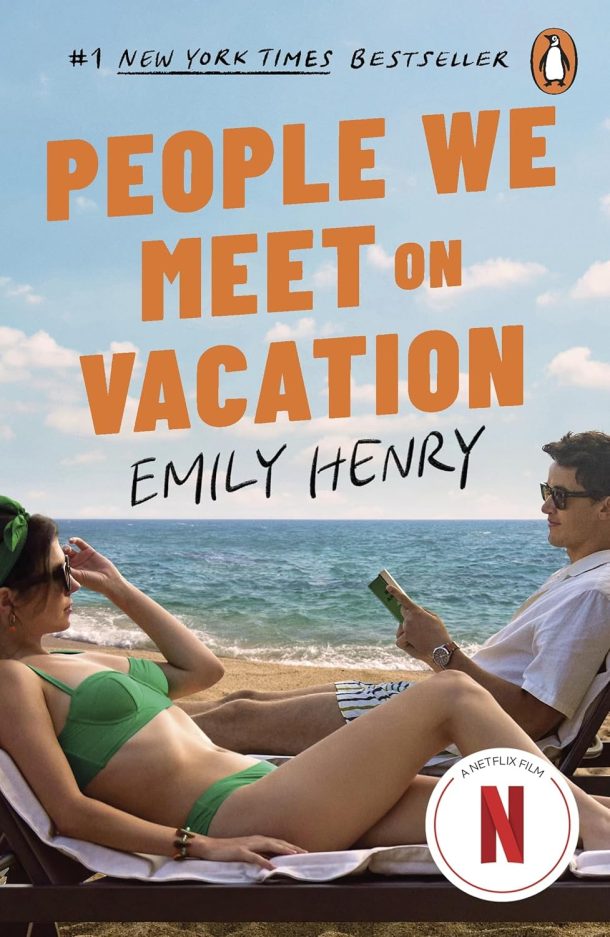 People We Meet on Vacation by Emily Henry
A travel writer has one last shot at reconnecting with the best friend she just might be in love with. Poppy and Alex couldn’t be more different. She loves wearing bright colors while he prefers khakis and a T-shirt. She likes just about everything while he’s a bit more discerning. And yet, their opposites-attract friendship works because they love each other…in a totally platonic way. Probably. Even though they have their own separate lives (Poppy lives in New York City and is a travel writer with a popular Instagram account; Alex is a high school teacher in their tiny Ohio hometown), they still manage to get together each summer for one fabulous vacation. They grow closer every year, but Poppy doesn’t let herself linger on her feelings for Alex—she doesn’t want to ruin their friendship or the way she can be fully herself with him. They continue to date other people, even bringing their serious partners on their summer vacations…but then, after a falling-out, they stop speaking. When Poppy finds herself facing a serious bout of ennui, unhappy with her glamorous job and the life she’s been dreaming of forever, she thinks back to the last time she was truly happy: her last vacation with Alex. And so, though they haven’t spoken in two years, she asks him to take another vacation with her. She’s determined to bridge the gap that’s formed between them and become best friends again, but to do that, she’ll have to be honest with Alex—and herself—about her true feelings. In chapters that jump around in time, Henry shows readers the progression (and dissolution) of Poppy and Alex’s friendship. Their slow-burn love story hits on beloved romance tropes (such as there unexpectedly being only one bed on the reconciliation trip Poppy plans) while still feeling entirely fresh. Henry’s biggest strength is in the sparkling, often laugh-out-loud-funny dialogue, particularly the banter-filled conversations between Poppy and Alex. But there’s depth to the story, too—Poppy’s feeling of dissatisfaction with a life that should be making her happy as well as her unresolved feelings toward the difficult parts of her childhood make her a sympathetic and relatable character. The end result is a story that pays homage to classic romantic comedies while having a point of view all its own. A warm and winning “When Harry Met Sally…” update that hits all the perfect notes. Kirkus Reviews, May 2021.
 The Director by Daniel Kehlmann
A freely imagined conjuring of the life and career of celebrated German-language film director G.W. Pabst by one of Germany’s boldest contemporary novelists. Pabst, an Austrian, first got involved in the arts while being held in a French prison camp during World War I. He formed a theater group there, then made his reputation with the silent films The Joyless Street, starring Greta Garbo, and Pandora’s Box, starring his forever infatuation Louise Brooks. Taking his pioneering cutting technique to Hollywood, he has his ideas brushed aside by producers who, paying little mind to his lofty reputation, force him into taking on a flimsy project that is dead on arrival. Even with World War II going on, he returns to Europe, where he makes shameless compromises with Nazi authorities to get his films financed. Desperate to finish what he considers his masterpiece, The Molander Case, before the advancing Red Army can shut everything down, he throws all caution to the wind. But his “sparklingly modern” work, based on a pulp novel, gets lost on a train—and lost to history, leading to debates over whether it ever existed. Sticklers for biographical accuracy may quibble over Kehlmann’s inventions and rewriting of history. But the sheer wizardry and audacity of the storytelling, which masterfully dances along the cusp of realism and surrealism, comedy and tragedy, deflates those objections. Scene after scene amazes, including one where the Nazi-sworn caretakers of Pabst’s Austrian castle (where his discombobulated mother resides) banish his family to the basement and another displaying Pabst’s ghoulish use of gaunt, war-depleted soldiers to fill concert hall seats for a crucial scene in Molander. All in all, an amazing performance by Kehlmann, who as a bonus immerses us in the filmmaking process. A wickedly entertaining, eye-opening book. Kirkus Reviews, May 2025.
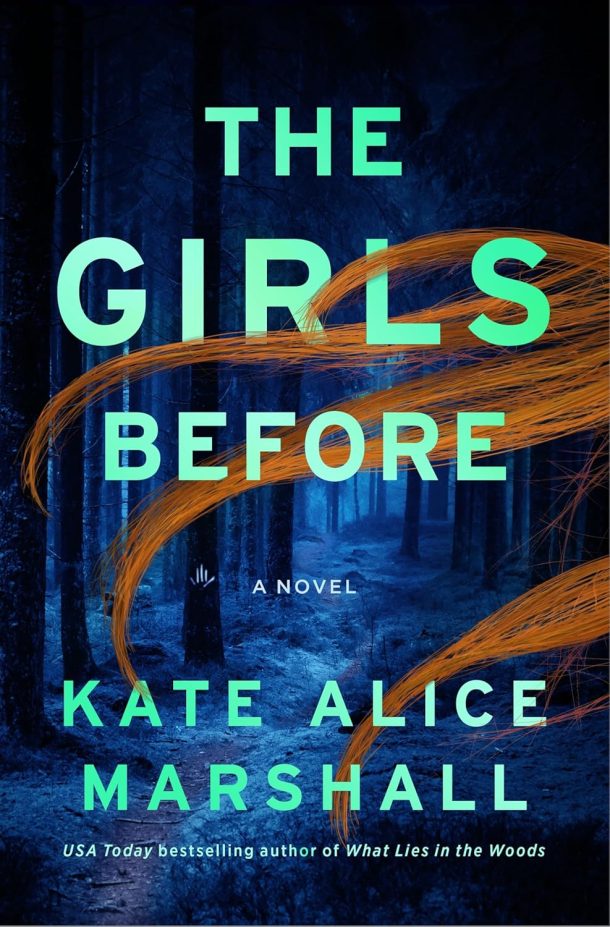 The Girls Before by Kate Alice Marshall
Marshall (A Killing Cold) delivers a superb mystery about a seemingly standard search and rescue mission in the small Pacific Northwest town of Franklin. Audrey Dixon is a talented volunteer with her local Search and Rescue department. Franklin has seen more than its share of missing persons—especially young women, including Janie Martin, Audrey’s best friend who vanished years ago, and Meghan Vale, who’s just disappeared. Some residents blame the urban legend of forest witch Jenny Red-Hands for the disappearances, but Audrey doesn’t buy it, nor is she convinced by local police’s assumption that the girls ran off on their own. Newly dedicated to finding Janie in the wake of Meghan’s disappearance, Audrey notices similarities between both disappearances and uncovers evidence that they may involve the city’s most powerful family. Marshall takes a familiar premise and pushes it into exciting, experimental directions, switching perspectives between Audrey and a captive victim, and teasing out the potentially supernatural urban legend at the heart of the story. Readers will be thinking about this long after they turn the last page. Publisher’s Weekly, February 2025.
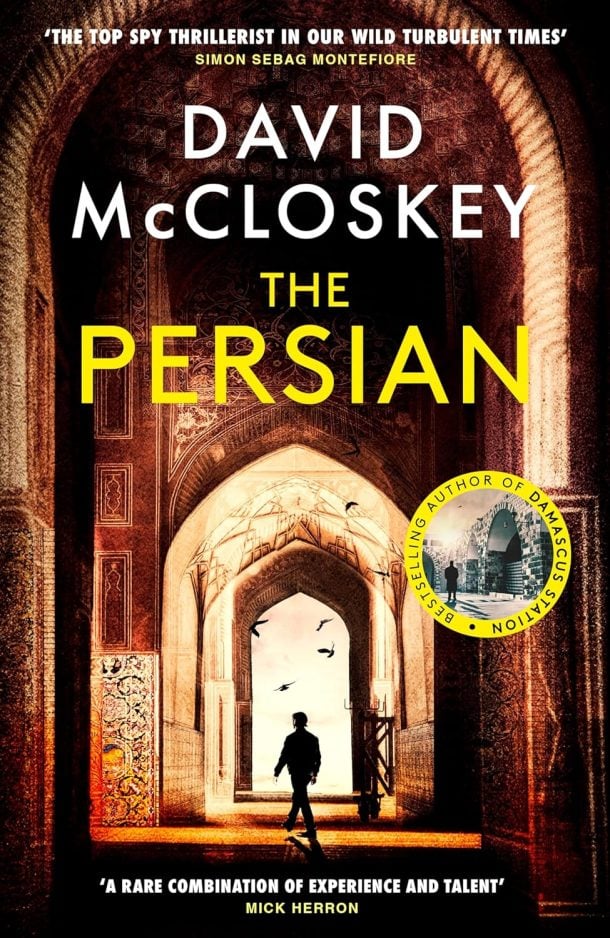 The Persian by David McCloskey
In the latest novel by former CIA analyst McCloskey, a Swedish Jewish dentist of Iranian origins who becomes a Mossad operative in Tehran faces death after his capture by the enemy. How Kamran Esfahani became part of a covert unit responsible for kidnappings, arms smuggling, and assassinations in Iran is laid out in the confession he is forced to write over and over by his chief torturer, known only as the General. Protective of crucial secrets, the confession takes the form of a novel within the novel, covering Kam’s recruitment by Israeli intelligence officer Arik Glitzman and his training in Albania. “Steady dental or surgical hands, it turns out, are quite useful for picking locks and capturing crystal-clear photographs on a wide range of subminiature cameras,” Kam writes. But other skills are required to recruit an Iranian woman whose husband was killed by Mossad and to elude the Jew-targeting Qods Force. With its snarky tone and its conflicted protagonist’s California dreams, McCloskey’s novel is reminiscent of Viet Thanh Nguyen’s The Sympathizer (2015). Musing on Glitzman’s comments about assassination-assigned Israeli forces “killing to save lives,” Kam writes, “Why not fuck for chastity while you’re at it?” But the humor is swept aside by a horrific drone attack on a Mossad couple’s Jerusalem apartment and the severed head of a suicide-bombing Palestinian boy “rocket[ing]” through a salon window. Responding to Glitzman’s claim that the Israelis never put a target’s family in danger, his opposite number, Col. Ghorbani, says, “How about the thousands of Palestinian women and children you’ve bombed or shot or starved?” In probing the deep moral and practical complexities of this shadow war, McCloskey’s novel could not be more timely or unsettling, all humor aside. A sometimes shocking, sometimes mocking look at the Israeli-Iranian conflict. Kirkus Reviews, September 2025.
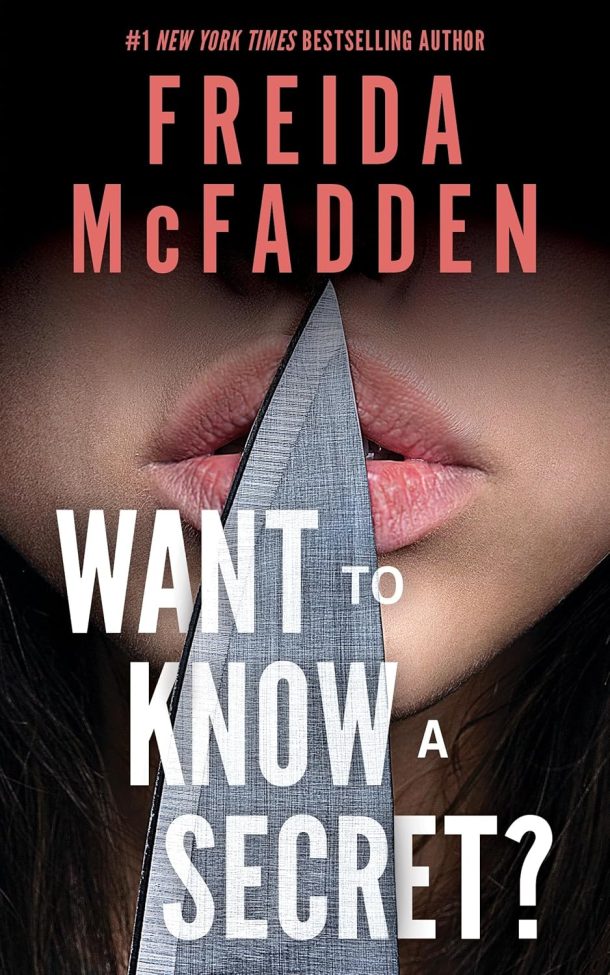 Want to Know a Secret? by Freida McFadden
Character assassination reigns supreme, if not uncontested, in a Long Island suburb. April Masterson loves her husband, corporate attorney Elliott; their 7-year-old, Bobby; and her YouTube channel, “April’s Sweet Secrets.” What she doesn’t love is whoever’s texting her warnings about how Bobby isn’t really in their backyard while she’s busy filming her videos or withering critiques of her baking show or veiled accusations about her past and threats about her present. Her best friend, former prosecutor Julie Bressler, may be bossy and opinionated, but surely she’d never turn on April this way. Who else might know enough to send April goodies like a picture of her kissing Mark Tanner, Bobby’s soccer coach? Though April struggles to get Elliot to take her ordeal seriously, even when she shows up at his office for a lunch date, he’s protected by his receptionist, Brianna Anderson, whose attachment to her boss goes far beyond loyalty. Then Julie turns on her; Maria Cooper, her friendly new next-door neighbor, turns on her; and in the most mind-boggling scene, Doris Kirkland, April’s mother, whose dementia has brought her to a nursing home, turns on her. McFadden releases an escalating series of toxins so deftly into the suburban atmosphere that it’s practically an anticlimax when someone gets killed and April instantly becomes the prime suspect. But that’s only a setup for the tale’s boldest move: switching its narrator from April to a fair-weather friend who frames the whole nightmare in dramatically different terms. As a special gift to her savviest fans, the author throws in an even more jolting epilogue that’s as hard to forget as it is to believe. Recommended reading for every paranoid suburbanite who’s considering a move to the city, or to the Arctic wilds. Kirkus Reviews, March 2026.
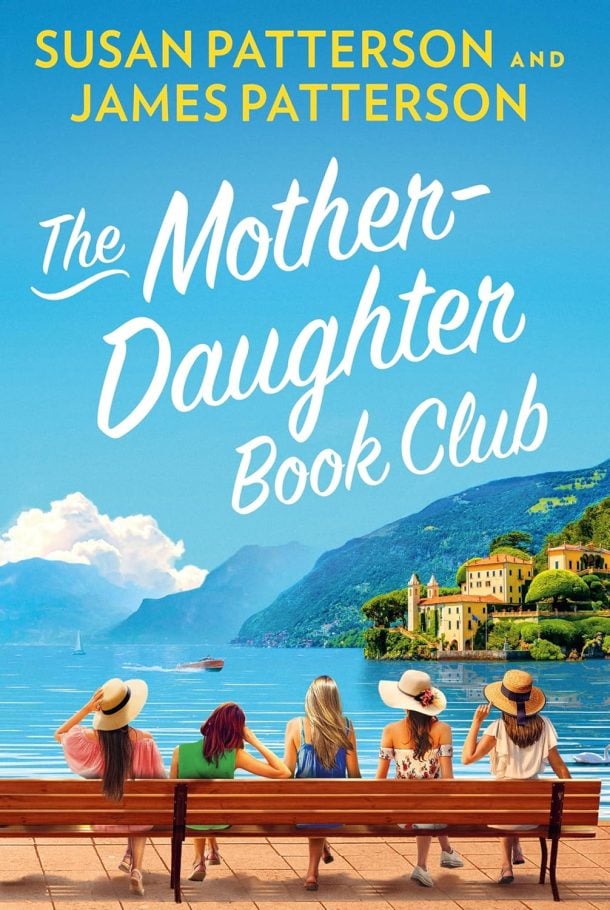 The Mother-Daughter Book Club by Susan Patterson & James Patterson
Nine women—four mothers and five daughters—experience tragedy, joy, and hope in two book club meetings held three years apart. Three college friends, Mariella Marciano (now an opera singer), Grace Townsend (a minister), and Elin Mackenzie (a corporate lawyer) are joined by a fourth, Jamie Price, one-time nanny for Elin’s daughter. The women have been close for decades, texting regularly and meeting periodically for weekend book retreats. But during one weekend in Lake Geneva, Wisconsin, when they’ve been joined by their daughters, there’s a tragic accident. After a day of drinking, Jamie’s twins, Kathleen and Meg, head out for ice cream on a rainy night and their jeep flips and crashes into a tree. Fast forward three years, and the women come together again for a book club weekend, this time in Mariella’s vacation home—a villa in Lake Como. The twins no longer speak to each other, and the other women are on tenterhooks worrying about what might happen during the trip. But what follows are long days of food, love, and personal growth as the friends talk books, hopes, dreams, and the future. Still, each keeps part of herself hidden, while contemplating sharing their secrets with the others on the final night of the trip. This is a book seemingly made for the screen, with lots of bickering, wine, and dishy revelations. With such a seemingly overfull cast, the authors do well to make each character memorable and distinct—but none of them has much depth. And rather than focusing on mother-daughter relationships, as might have been expected, it’s romantic love—both old and new—and the marriages of two of the women that drive the story forward. An entertaining book, adeptly written and easily read. Kirkus Reviews, February 2026.
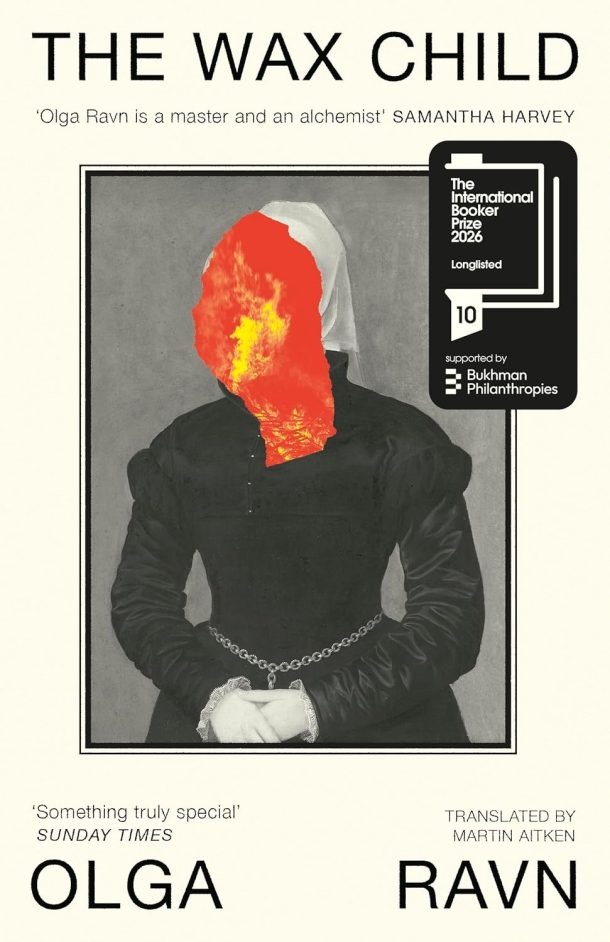 The Wax Child by Olga Ravn
Ravn (My Work) draws on the true story of a 17th-century Danish noblewoman beheaded for witchcraft, in this masterful blend of history and horror. It’s narrated by an omniscient wax doll made by Christenze Kruckow, a 30-something virgin who lives at Nakkebølle Manor in Funen, Denmark. By 1615, the mistress of the manor, Anne Bille, has given birth to 15 babies, all of whom were stillborn or died shortly after birth. When Anne accuses Christenze of witchcraft, she flees to the city of Aalborg. There, she’s instantly attracted to a stranger named Maren Kneppis, and they kiss. Maren then invites Christenze to a series of all-night “carding fests,” during which several women gather to spin wool and talk about their troubles. They also use Christenze’s doll to cast spells on others, until they’re caught by one of the husbands and Christenze is again accused of witchcraft, along with the other women. From here, Ravn’s depiction of the draconian criminal justice system is gripping and well researched, from the bloodthirsty king whose lieutenant serves the arrest warrants to the procedures of Aalborg’s provincial court. The main event, though, is the spectacularly demented doll, who channels a mysterious rebellious power inspired by Christenze and her cohort and by their grisly fate. Or, as the doll puts it in describing the hush that fell over the courtroom at the thought of the convicted Maren being burned at the stake: “It retained as yet a generative force that could be harnessed and put to use.” This devilishly subversive feminist anthem is one of a kind. Publisher’s Weekly, October 2025.
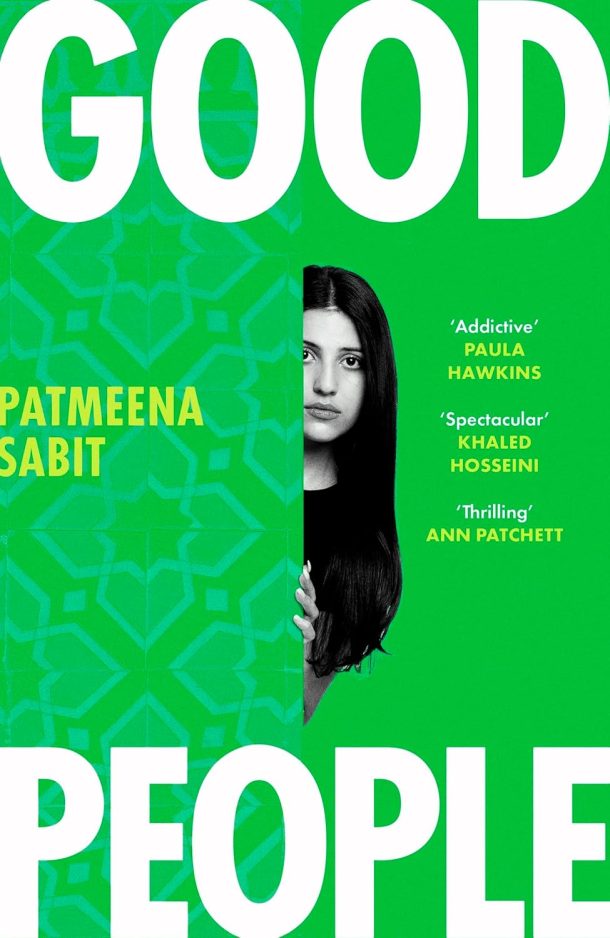 Good People by Patmeena Sabit
A host of voices weigh in on a young Afghan American’s suspicious death. Sabit’s debut is framed as an oral history about the Sharaf family and an incident that put it in the national spotlight. Rahmat and Maryam arrived in Virginia as refugees from Afghanistan, eventually having four children; in time, Rahmat built a sizable fortune in real estate, owning multiple retail properties. None of the Sharafs themselves are “interviewed” for the novel, but plenty of others contribute—Afghan friends and family, classmates and teachers of their children, journalists, lawyers—creating a mosaic portrait. It’s clear from all these stories that Rahmat was headstrong and determined to provide a conspicuously good living for his family—a real-estate agent recalls his insistence on finding a home in one of Northern Virginia’s wealthiest communities—and that his teenage daughter Zorah increasingly began to bristle against life in a gilded cage, wearing tight clothes, dating against her parents’ wishes, and more. When she’s found drowned in a borrowed Mercedes during a family trip to Niagara Falls, suspicious whispers about whether Rahmat committed an honor killing grow into a media frenzy. Telling this story without its principals is an effective conceit; as the slyly provocative title suggests, every person involved is striving for moral high ground, but long-standing Americans, recent immigrants, and authorities each operate under distinct cultural systems. Accusations of honor killings are rebutted by accusations of anti-immigrant bigotry; suggestions that Zorah needed to assimilate are met with cries of the need to protect and preserve traditions. The parade of voices is a bit overlong, and at times the overall voice feels too similar for a novel designed around multiple perspectives. But it thoughtfully underscores the idea that the American melting pot rarely melts consistently. A well-turned and provocative first novel. Kirkus Reviews, November 2025.
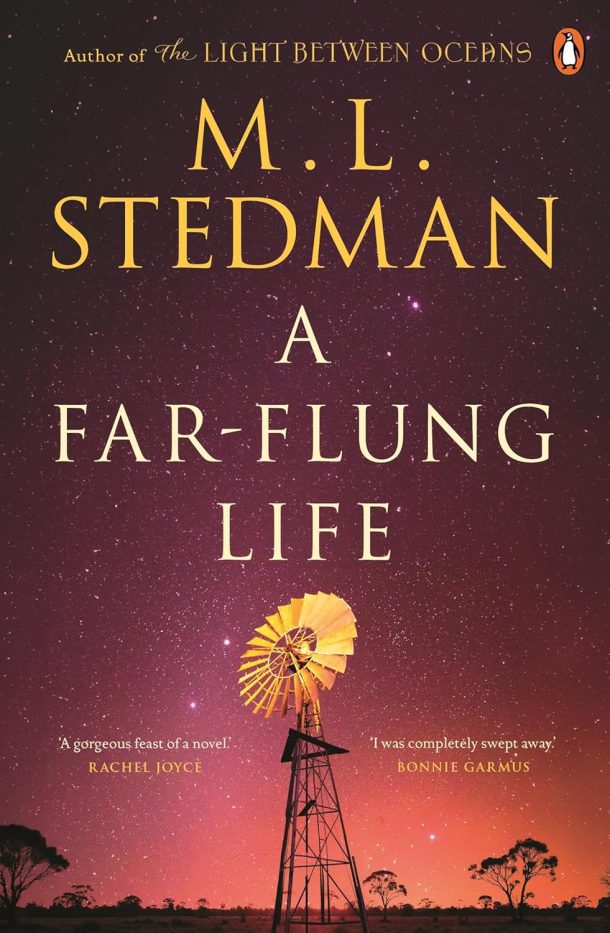 A Far-Flung Life by M.L. Stedman
This family tragedy from bestseller Stedman (The Light Between Oceans) is captivating and distressing in equal measure. Set on a sheep station in remote Western Australia, where the MacBride family leases nearly one million acres and tends to 20,000 sheep, the novel begins in 1958 when a truck accident kills the family’s patriarch and eldest son and leaves the youngest son, 17-year-old Matt, severely injured. Saddled with cognitive issues and memory loss, he faces a long road to recovery under the care of his mother, Lorna, and 20-year-old sister, Rose. Months later, a confounding drunken incident exacerbates the tragedy, forcing Matt to cover up terrible secrets. It would spoil the novel to reveal more, beyond that during this time, Lorna’s grandson, Andy, enters the picture, brightening the MacBrides’ gloom with his youthful enthusiasm and love of geology. By 1969, new arrival Bonnie Edquist, a surveyor for a mining company, threatens to upend Matt’s safe and quiet way of life, while a nosy postmistress and a self-righteous police officer start to uncover his closely guarded secrets. Stedman conveys the staggering scale of the sheep station’s isolated sprawl, and it’s impossible to look away from the grim series of events. Readers will be transported. Publisher’s Weekly, November 2025.
Return to top
HISTORICAL FICTION
| Harrod-Eagles, Cynthia | The mistress of Ashmore Castle |
Return to top
MYSTERY
| Aegisdottir, Eva Bjorg | Boys who hurt |
| Bennett, S. J. | The queen who came in from the cold |
| Berenson, Laurien | Peg and Rose stir up trouble |
| Bonda, Katarzyna | Conspiracy of blood |
| Bright, Verity | Death at the dance |
| Bryndza, Robert | Lethal vengeance |
| Carroll, Steven | The afterlife of Harry Playford |
| Conyer, Natalie | Finding the bones |
| Crum, Tiffany | This story might save your life |
| Elliott, Sam | Haze |
| Green, John M. | Staged |
| Griffiths, Elly | The killing time |
| Hindle, Tom | A killer in paradise |
| MacBride, Stuart | And the corpse wore tartan |
| Marsons, Angela | Little children |
| McCluskey, Laura | The cursed road |
| Miller, C. L. | Murder at the castle |
| Parris, S. J. | Traitor’s legacy |
| Pomare, J. P. | The gambler |
| Ross, L. J. | Holy island |
| Tangey, Penny | What rhymes with murder? |
| Thorp, R. O. | Death on ice |
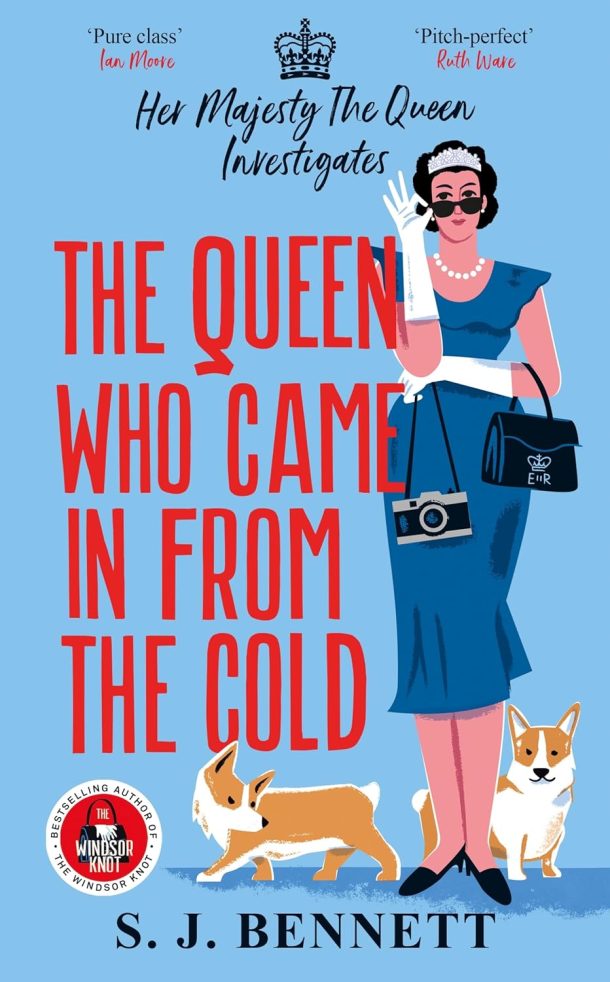 The Queen Who Came in from the Cold by S. J. Bennett
Bennett (A Death in Diamonds) offers Anglophiles another exciting royal adventure as Queen Elizabeth II and her secretary Joan McGraw investigate a murder that morphs into something extra sinister. In 1961, Buckingham Palace is gearing up for a visit from President Kennedy, the Cold War simmers in the background, and Queen Elizabeth, Prince Philip, and their staff are preparing for a trip to Italy. They plan to take the royal train on an overnight journey to the royal yacht, and Princess Margaret has invited her haughty friend Sandra Pole along as her temporary lady-in-waiting. As the train rattles through the darkening evening, Sandra claims she sees through her window a dead man being tossed into a lake, leading Joan to put her sleuthing cap back on. She and the Queen—who quietly offers astute suggestions while a revolver-wielding Joan does most of the legwork—soon learn they have a connection to the deceased, and that his death is related to a vast political conspiracy. Folding traces of James Bond and George Smiley into a cozy mystery plot, Bennett strikes gold. It’s a fast and funny entertainment. Publisher’s Weekly, August 2025.
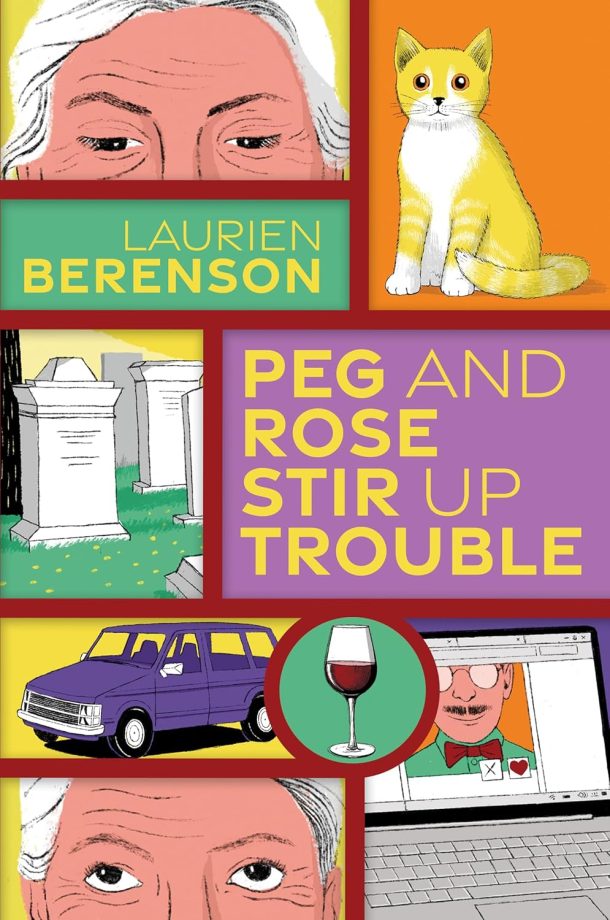 Peg and Rose Stir Up Trouble by Laurien Berenson
Melanie Travis’ redoubtable Aunt Peg gets a well-deserved franchise of her own. After years in the background of her niece’s sleuthing adventures, Peg Turnbull landed a starring role in Peg and Rose Solve a Murder (2022). Her success helped her patch up a longtime feud with her sister-in-law, Rose Donovan, and opened the door to a follow-up outing for the two feisty seniors. This time, the trouble begins when Rose convinces Peg to join the Mature Mingle dating site, where after a few false starts she meets Nolan Abercrombie. Strong-minded Peg is initially smitten with the well-spoken and attentive Nolan until Rose points out how superficial his attentions are. So Peg’s not unduly distressed to learn that Nolan has been killed in a traffic accident—at least not until her old friend Det. Rodney Sturgill of the Stamford, Connecticut, police department points out that the car that hit Nolan made no attempt to brake to avoid him. Their curiosity piqued, Peg and Rose attend Nolan’s funeral, where they meet dozens of women who had had relationships of varying duration and intensity with Peg’s late suitor. Gentle Rose and determined Peg make an appealing pair, and the story of the much-mingling Nolan Abercrombie is likely to strike a resonant chord among the target audience. Peg’s poodles make a welcome appearance, while kindly Rose takes in a few strays of her own. Long live the senior sleuths. Kirkus Reviews, July 2023.
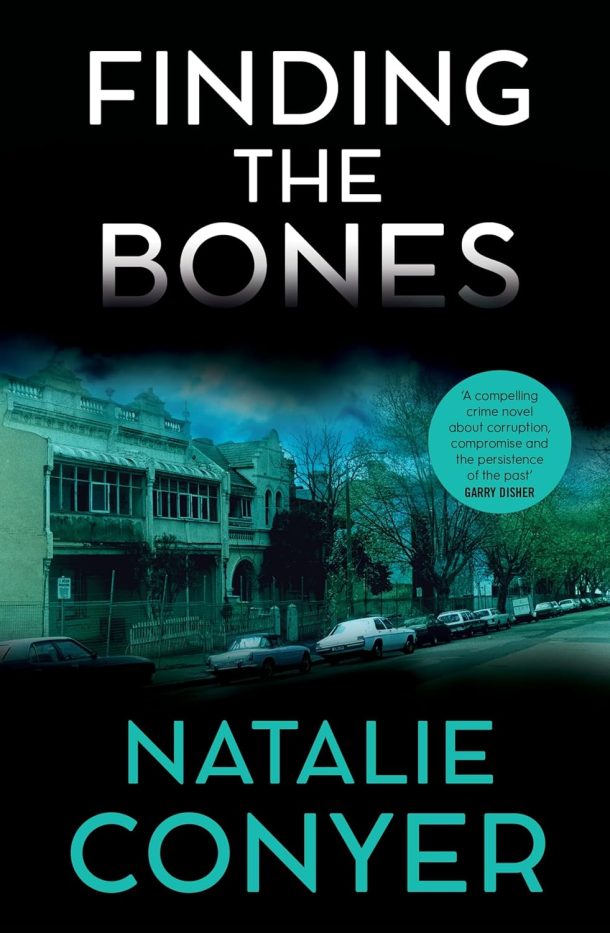 Finding the Bones by Natalie Conyer
Finding the Bones by Ned Kelly Award–winning author Natalie Conyer is a gritty, slow-burn Australian crime thriller that exposes the fine line between belief and obsession – and the lengths some people will go to hold on. While the story sits within the same world as Conyer’s Present Tense and Shadow City, it shifts focus to acting inspector Jackie Rose and can be read comfortably on its own. Alternating between the present day and the infamous underbelly of Sydney’s Kings Cross in the 1980s, this neatly plotted page-turner pits Jackie against her decorated father, former detective Stanton Rose. When the bones of Belle Fitzgerald are discovered nearly 40 years after Stanton began an illicit affair with her and she disappeared, Jackie scrambles to solve the cold case before everything she has ever believed is destroyed and the killer escapes justice. Although Finding the Bones works as a standalone, readers familiar with Conyer’s earlier books will pick up additional layers of context around character, place and plot. Some elements – particularly those referencing historical moments, such as the disappearance of Juanita Nielsen, the history of Kings Cross or police corruption and organised crime in the 1970s and 1980s – are sketched lightly, rewarding those who arrive with existing knowledge. Still, the novel remains a compelling read that draws readers into a world of murky morality and delivers a cleverly devised set of suspects. For fans of Natalie Conyer’s other novels, Dervla McTiernan’s The Ruin and Sarah Bailey’s The Dark Lake. Books+Publishing, January 2026.
Return to top
NON FICTION
| Roope, Phillip | Shark arm | 364.1523 ROOP |
| Salter, Colin | 100 novels that changed the world | 016.8088 SALT |
| Shaw, Ian W | The dark prince of Melbourne | 364.1 SHAW |
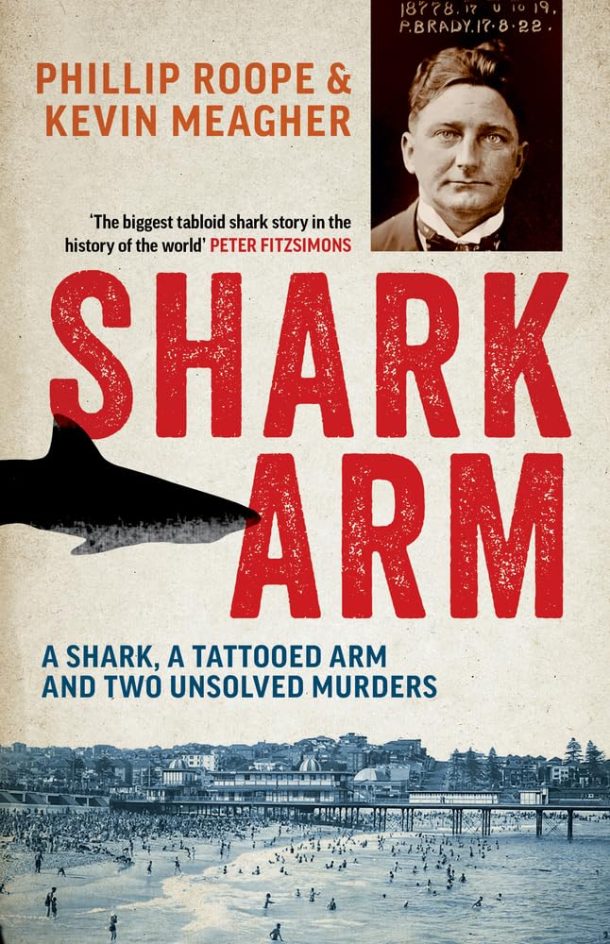 Shark Arm by Phillip Roope and Kevin Meagher
Former high school teachers Roope and Meagher expand on Australia’s sensational “shark arm” cold case in this thoroughly researched, fascinating book. In 1935, a shark at Sydney’s Coogee Aquarium threw up a tattooed arm in front of onlookers. The victim, James Smith, a former boxer and suspected police informant identified by his fingerprints, was presumed dead. This strange discovery led investigators to a local boat builder and a world of fraud, smuggling, and escalating violence. The authors explore the case from every angle, rewinding from the aquarium to examine 1930s Sydney and the background of central figures before moving into a compelling courtroom drama. Roope and Meagher reconstruct case files with incredible detail, and revelations throughout the trial keep the reader engaged. The authors offer thoughts on the resulting media frenzy and implications for future homicide investigations, but their focus remains on the case. This volume will entertain readers interested in Australian history and seaside crimes; those wanting to dive further into Australian true crime may enjoy Tanya Bretherton’s The KillingStreets: Uncovering Australia’s First Serial Murderer. A comprehensive, absorbing account of one of Sydney’s most infamous crimes. Library Journal, October 2020.
Return to top
POETRY
| Urlichs, Jessica | They bloom because of you |
Return to top
ROMANCE
| Gilmore, Laurie | The cinnamon bun book store |
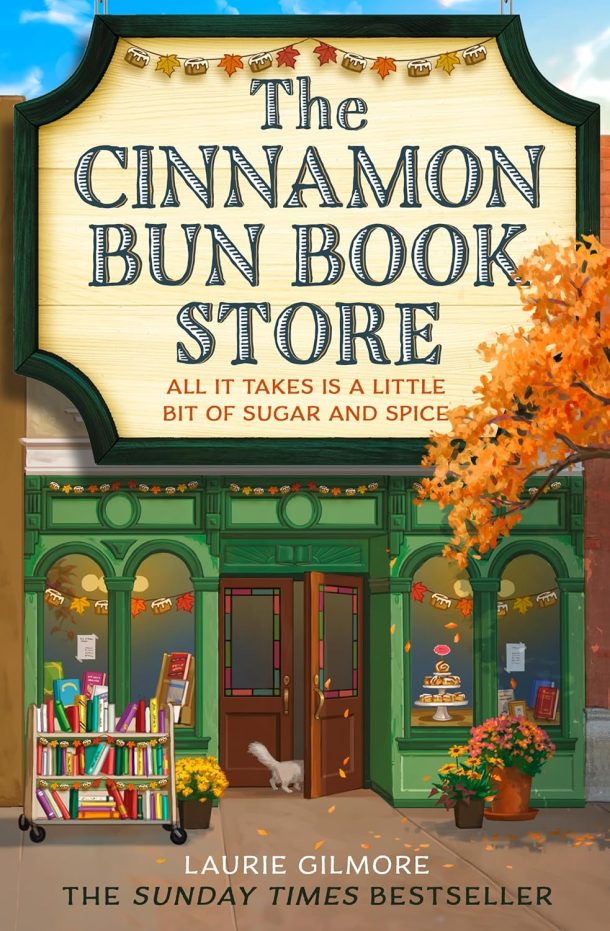 The Cinnamon Bun Book Store by Laurie Gilmore
A small-town bookseller stumbles upon a scavenger hunt in Gilmore’s bighearted second Dream Harbor contemporary (after The Pumpkin Spice Cafe). Bookish introvert Hazel Kelly wouldn’t consider herself adventurous. She still lives in her hometown and has a job at the bookstore where she’s worked since her sophomore year of high school. But with her 30th birthday fast approaching, Hazel is in desperate need of a shake-up. When she discovers a mysteriously highlighted passage—“Come with me, lass, if you want adventure”—in a shelved romance novel, she takes it as a sign to dig deeper and finally venture out of her bubble. Further highlighted passages indicate a broader mystery. Eager to help Hazel follow these cryptic clues is charming fisherman Noah Barnett, the town’s most eligible bachelor. Working together gives Noah the opportunity to spend more time with the woman he’s been crushing on for months. With her head finally out of a romance novel, will Hazel finally notice what’s been right in front of her? The treasure hunt keeps the story moving, but it’s also low stakes enough that this falls firmly in the cozy camp. The result is a charming break from reality. Publisher’s Weekly, July 2024.
Return to top
SCIENCE FICTION & FANTASY
| Corey, James S. A. | Tiamat’s wrath |
| Taylor, Jodi | Killing time |
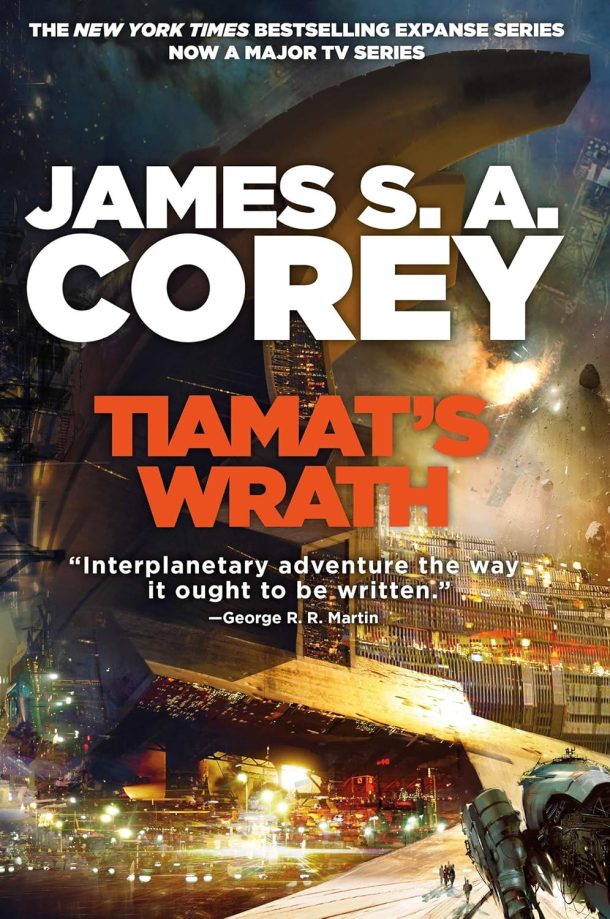 Tiamat’s Wrath by James S. A. Corey
Volume eight (of, reportedly, nine) of The Expanse (Persepolis Rising, 2017, etc.), Corey’s (aka Daniel Abraham and Ty Franck) sprawling alien-contact space opera. Fashioned by an alien life form, the protomolecule opened an interstellar portal to thousands of other planets. As humans began to spread into the galaxy, civil wars flared across the solar system. But the protomolecule also proved the key to unlocking a highly advanced alien science. Thirty years ago, Martian dissidents fled through a portal and founded an aggressive, technologically sophisticated empire, Laconia, ruled by immortal dictator Winston Duarte. In the previous book, the Laconians returned to the solar system, effortlessly conquering it and capturing iconic ship’s captain Jim Holden, who’s managed to survive since the inaugural volume. He now languishes on Laconia, talking with Duarte’s young daughter, Teresa, whom the dictator is training as his successor. Back in the solar system, a few freedom fighters—inspired by Holden’s ex Naomi Nagata and space marine Bobbie Draper—continue the resistance, but even they are faltering against Laconia’s protomolecule science–powered superiority. The empire, meanwhile, has its own problems. Millions of years ago, enigmatic but even more advanced aliens wiped out the protomolecule’s builders and have already reacted with horrific violence to Laconia’s attempts to reactivate ancient protomolecular artifacts. But rather than delicately investigate these aliens, Duarte recklessly orders his chief scientist, Elvi Okoye, to provoke them. The Expanse has always been, well, expansive, but recent developments have exponentially amplified it in scope. As an intriguing side effect, where previously the solar system yawned unfathomably vast, on a galactic scale it feels almost claustrophobic. So, what with the plentiful palace intrigue, freedom fighters battling desperately, an existential alien menace, and characters both familiar and fresh, the stage is set for another churning, relentlessly gripping, mind-boggling episode. The well-received TV series tie-in will help. With only one installment to come, the tension and excitement show no sign of flagging. Kirkus Reviews, March 2019.
Return to top
New additions to eBooks at SMSA
EBOOKS
| Biography | Oppenheimer, Mark | Judy Blume |
| General Novels | Kawakami, Mieko | Sisters in yellow |
| General Novels | Toibin, Colm | The news from Dublin |
| General Novels | Wright, Fiona | Kill your boomers |
| Historical Novels | Wasley, Sasha | The society of literary marauders |
| Mystery | Bailey, Sarah | Click |
| Mystery | Burrowes, Grace | A gentleman of sinister schemes |
| Mystery | Davies, M. R. G. | Murder by the book |
| Mystery | Hepburn, Holly | The locked room |
| Romance | Dare, Tessa | The governess game |
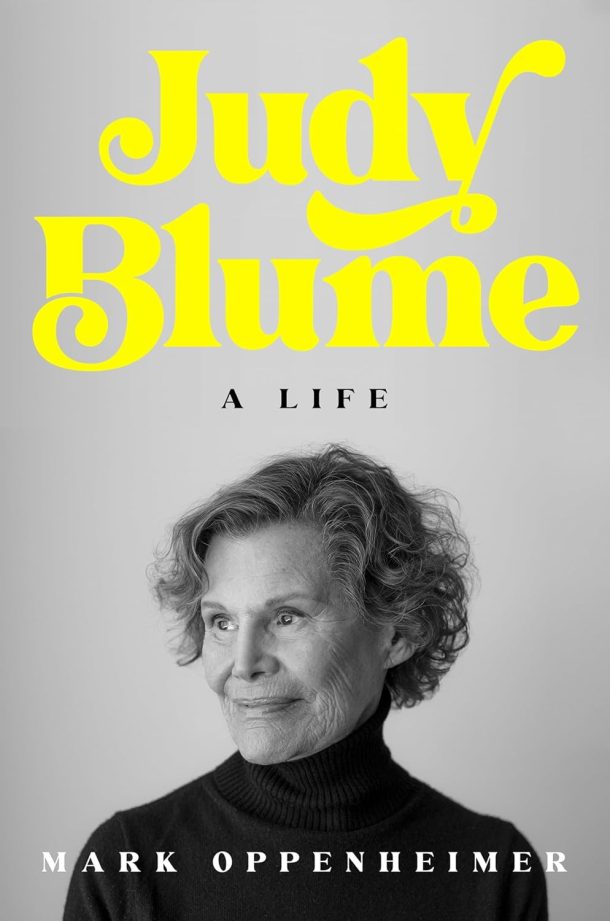 Judy Blume: A Life by Mark Oppenheimer
Journalist Oppenheimer contends in this impressive biography that Judy Blume “rewired the English-speaking world’s expectations of what literature for young people could be.” Born into a progressive, Jewish family in New Jersey in 1938, Blume followed a traditional path to college, marriage, and early motherhood. When her children were young, she decided to find work and began writing. Her early attempts at children’s picture books and novels were rejected by publishers, but she continued writing and revising her work, and in 1970 published her breakthrough young adult novel, Are You There God, It’s Me, Margaret?, which dealt with menstruation and religion in a manner that aligned with the genre’s move to realism, Oppenheimer explains. Over the next five years, Blume published eight more books, including Tales of a Fourth Grade Nothing and Deenie. Frankness without moralism or didacticism became her trademark, and she didn’t shy away from writing about sexuality and puberty. Her work was often targeted in book bans, prompting Blume to become an anti-censorship advocate. Along with her professional career, Oppenheimer provides insights into Blume’s personal life, including the dissonance she felt being seen as “a sage, a guru” by children and parents while simultaneously going through a divorce. Fans will be delighted. Publisher’s Weekly, January 2026
 Kill Your Boomers by Fiona Wright
In her first work of fiction, Fiona Wright turns her sharp eye on Australia’s housing crisis. Kill Your Boomers centres on Keira, a 30-something writer who also nannies for the twins of a dodgy wellness entrepreneur. All the while, Keira obsesses over the warped real estate market she’s locked out of. Or is she? When a hole in the kitchen floorboards of her rented share house starts talking to her, offering distinctly geronticidal suggestions about how she, too, might achieve the Australian dream of owning a home, Keira listens. Kill Your Boomers is propelled by the question of how Keira will respond to her powerlessness, and whether the outcome will live up to the book’s provocative title. While the novel serves as a necessary commentary on the housing market and Australia’s class divide, it struggles at times to sustain narrative momentum; after its climactic moment, the previously voluble narrator becomes curiously opaque. At its best, the prose sings, particularly when Keira articulates the conflicted emotions she feels towards her newly home-owning friends. Elsewhere, it becomes repetitive and strained, leaving the plot feeling stretched. The conceit of the talking floorboard hole is hilarious, and the novel is most compelling when it leans into this magical-realist-parody. Kill Your Boomers has notes of Vincenzo Latronico’s Perfection in Wright’s attention to the accoutrements of millennial aspiration, and Leila Slimani’s Lullaby in the more class-conscious homicidal tendencies at work. Books Publishing, February 2026.
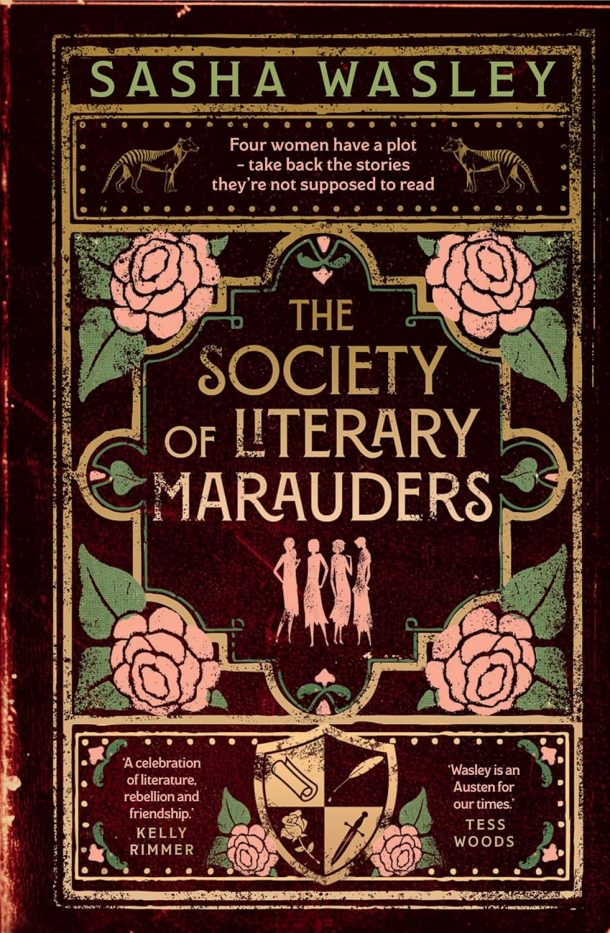 The Society of Literary Marauders by Sasha Wasley
Sasha Wasley’s The Society of Literary Marauders follows Annie, a bricklayer’s daughter from Perth, who travels to England in 1928 to pursue a long-held dream of studying at Oxford. She quickly makes friends with the privileged, sexually liberated Ridley, the disillusioned schoolteacher Norma, and Dorelia, a mathematics scholar from a wealthy Parsi family. Together, they form a club devoted to acquiring (by any means necessary) books deemed unsuitable for nice girls. The novel is rich in discussions of gender, class and colonialism. Wasley largely avoids reducing her characters to mouthpieces for these themes, instead creating multifaceted figures with convincing, often morally complex motivations. Ridley’s cousin, Lady Susan, for instance, is a progressive champion of women’s education while also being a leading figure in the eugenics movement. While Annie is a compelling protagonist with a strong moral compass, her portrayal as an unfailingly politically conscious hero occasionally stretches credibility. It would have been interesting to see her confront more directly the limits of her own perspective as a white, educated woman. Wasley’s detailed author’s note acknowledges the support of archivists and experts, including a cultural sensitivity reader, and addresses her decision to retain historically accurate but now offensive language. It outlines an intensive research process that is evident in the vivid historical rendering of Oxford. Intelligent and deftly plotted, The Society of Literary Marauders joins works such as RF Kuang’s Babel and Pip Williams’s The Dictionary of Lost Words as an ode to Oxford and an interrogation of the inequalities that underpin it. Books Publishing, February 2026.
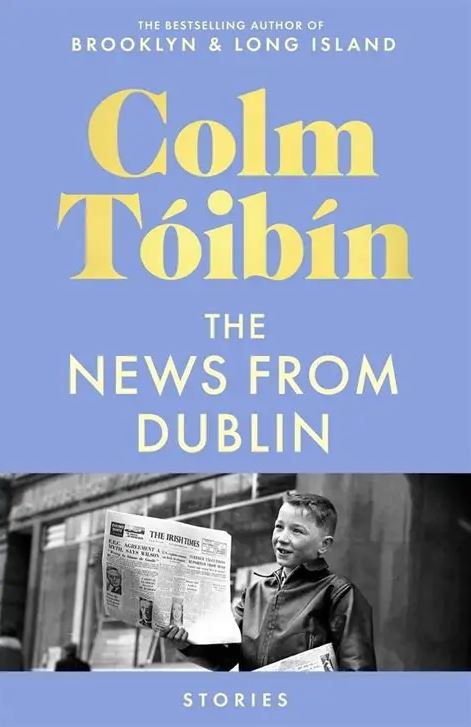 The News from Dublin by Colm Toibin
Irish novelist Colm Tóibín is also an acclaimed short-story writer, and he’s returned with a collection whose stories range across place and time—from contemporary to historical. Many of the stories in The News From Dublin follow characters in extreme situations. In “The Journey to Galway,” a mother has learned that her airman son has been killed in World War I, and as she travels to give the news to her daughter-in-law, she ruminates on having lived with the uncertainty of a son at war, an experience compounded by their differences—he fought for the British and she’s for Irish independence. In the acknowledgements, Tóibín notes that the story draws on a biography of Lady Gregory, the Anglo-Irishwoman who founded the Abbey Theater. Sometimes the extreme situation is exile: “A Free Man” follows Joe, a lonely Irishman on parole, trying to set up a life in Barcelona—he can never return to Ireland because of his notoriety. And in “Five Bridges,” one of the collection’s strongest stories, Paul, an undocumented Irishman in San Francisco, has a last outing with his tween daughter and her mother and stepfather before he leaves the U.S. after President Donald Trump’s 2024 election. Longtime Tóibín readers will be pleased to encounter characters from Tóibín’s fictionalized universe set in Enniscorthy, Ireland. The title story, which takes place in the mid-20th century, centers on Nora Webster’s husband Maurice (from Tóibín’s novel Nora Webster); Maurice is sent on a quest to help save his brother, who has tuberculosis. The story sets the traditional expectations of a small town against a modernizing, independent Ireland. In “A Sum of Money,” the teenage Dan is also from Enniscorthy, and his classmate Donal is Nora and Maurice’s son; Dan boards at a school where he’s been set up to fail, and we watch him try to manage this impossibility. The collection’s final story, “The Catalan Girls,” is almost a novella. Montse, youngest of three 60-something sisters, receives a letter with news of an aunt’s death in Spain—the sisters have inherited her house. As Montse forms a secret plan, the narrative reveals the family’s story: 50 years before, the sisters and their mother left Spain for Argentina, and the sisters grew estranged as they tried to adapt to the new culture. Restraint could be the watchword for Tóibín’s style. These stories quietly inhabit each character, their experiences, observations and slow comings-to-terms with difficult realities, which makes for compelling and often surprisingly suspenseful reading. As in so much of Tóibín’s work, the stories in The News From Dublin also powerfully highlight what characters choose not to say, and the consequences of not speaking. All together, it’s a beautiful, well-rounded collection. BookPage, 2026.
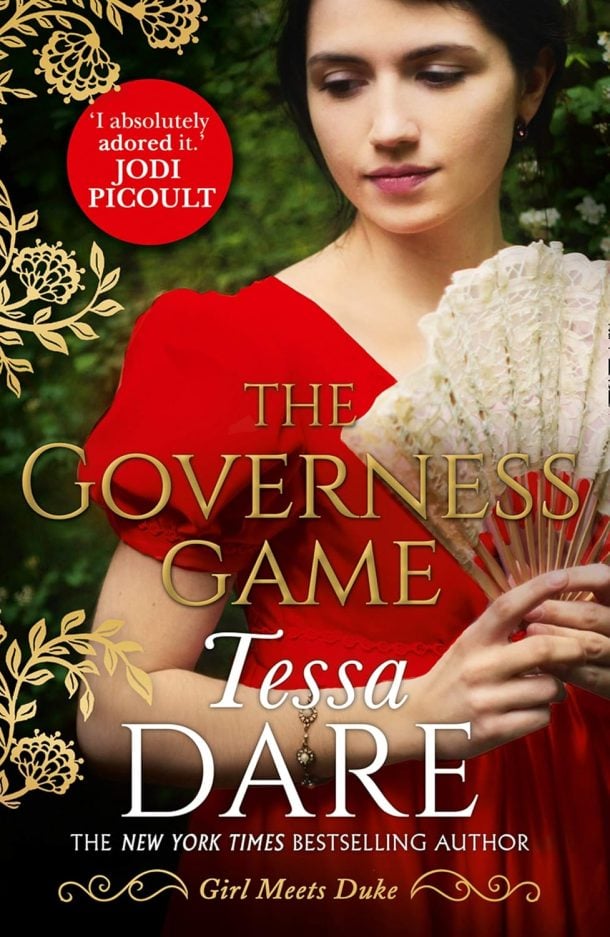 The Governess Game by Tessa Dare
In Dare’s sizzling second Girl Meets Duke Regency (after The Duchess Deal), a young woman discovers that her romantic fantasies about a handsome rake are vastly different from the reality of him. After bumping into the effortlessly charming man of her dreams in a bookstore, Alexandra Mountbatten meets him again when calling at his London home, offering to set his clocks. Chase Reynaud mistakenly believes that Alex has come to apply for the position of governess to his two precocious wards, Daisy and Rosamund—and she needs a job, so she plays along. The witty banter of the misunderstanding is the perfect prelude for their future encounters. Chase professes himself a confirmed rake who refuses to marry as self-punishment for his past actions, but Alex sees through Chase’s callous façade to the kind and generous man inside. Even as she tries to convince him that he deserves happiness, she knows that he must marry someone of suitable rank, which excludes her. Alex is an intelligent, independent heroine who is the perfect match for Chase, whose hardened heart softens as Alex reveals how much she cares for him. Sensuality and witty repartee fill the pages of this fast-paced story, which is made complete by the expertly developed characters and hints at future installments.
Return to top
AUDIOBOOKS
| General Novels | Brennan, Allison | Make it out alive |
| General Novels | Lally, Megan | What we did to survive |
| General Novels | Lanchester, John | Look what you made me do |
| General Novels | O’Brien, Jenny | The resistance knitting club |
| Mystery | Alexander, Ellie | A murder at the movies |
| Mystery | Archer, C. J | The toymaker’s curse |
| Mystery | Gatland, Jack | Murder of angels |
| Mystery | O’Connor, Carlene | Murder in an Irish churchyard |
| Romance | Ferguson, Melissa | Without a clue |
| SciFi/Fantasy | Jones, Nick | The quantum chain |
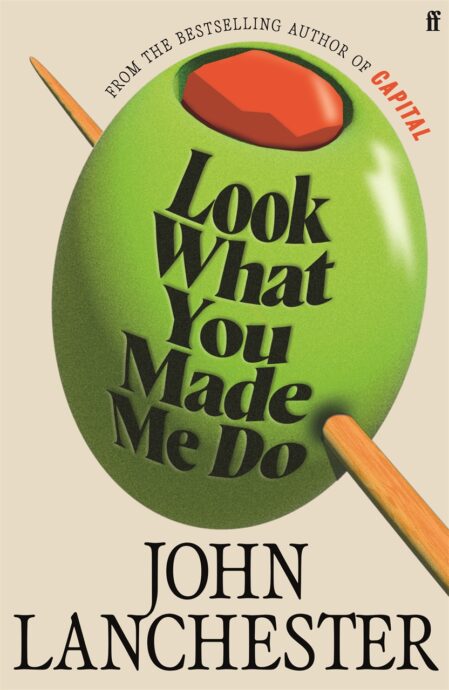 Look What You Made Me Do by John Lanchester
A middle-aged widow’s life is upturned when intimate details of her marriage become fodder for a TV show in the well-plotted latest from Lanchaster (The Wall). After Kate Hittlestone’s husband, Jack, suddenly dies, she’s consumed by grief. Months later, she hears about a hit new series called Cheating, which chronicles an affair between a man Jack’s age and a much younger woman. The dialogue eerily echoes Kate and Jack’s “private language” (“Want your body, disco doll” means “please hurry up, we’re going to be late”), causing Kate to conclude that Jack must have had an affair with the show’s millennial writer, Phoebe Mull. Awash with shame and humiliation, Kate revises all her happy memories with Jack until she realizes there might be another explanation. The true story of the show’s genesis slowly comes out in a parallel narrative following Phoebe’s relationship with her mother. Both plotlines come to a head when Phoebe, worried she won’t be able to repeat her success, becomes convinced someone is targeting her with bad online reviews. Lanchester blends the emotionally layered revenge story with a satirical battle of the generations, summed up in a magazine profile of Phoebe (“She’s so sharp she could cut herself. Except… she’s much more likely to cut you. Especially if you’re a boomer”). This satisfies. Publishers Weekly, February 2026
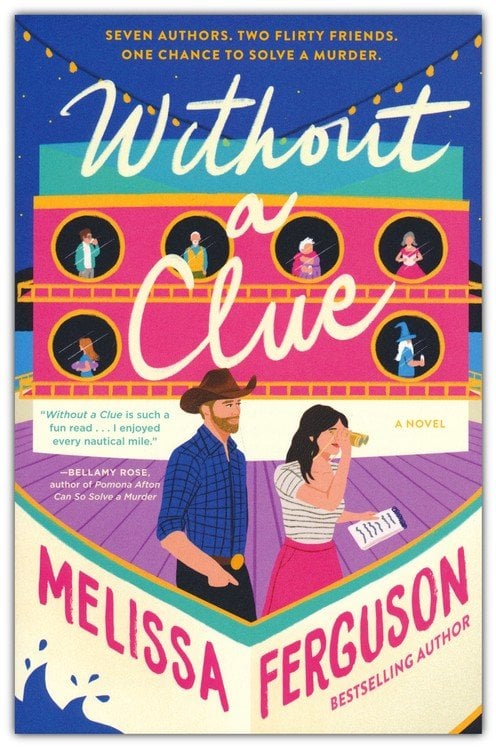 Without a Clue by Melissa Ferguson
Penelope, the plucky and long-suffering assistant to famous mystery author Hugh Griffin, is hoping to have a fun work trip, running the inaugural book cruise for fans of the Magnificent Seven, a motley group of authors writing everything from historical fiction to thrillers. But soon after embarking, Griffin is found murdered. Now the group is in the middle of the Atlantic with a killer on the loose, and the ship’s police don’t seem up to snuff, so Penelope decides to lead an investigation of her own. Assisting Penelope is her favorite author, Nash, a writer of Westerns, with whom she has always felt a deep connection. Having recently broken up with her toxic ex, Penelope is finally able to explore her feelings for Nash, but can trust him? He’s a suspect too, until they solve the mystery. Ferguson’s (The Perfect Rom-Com) fun romance has something for everyone: a large and vibrant cast of characters, a bookish storyline, a cozy locked-boat mystery, a slow-burn love story, comedic hijinks, and a dash of thrills. Library Journal, January 2026
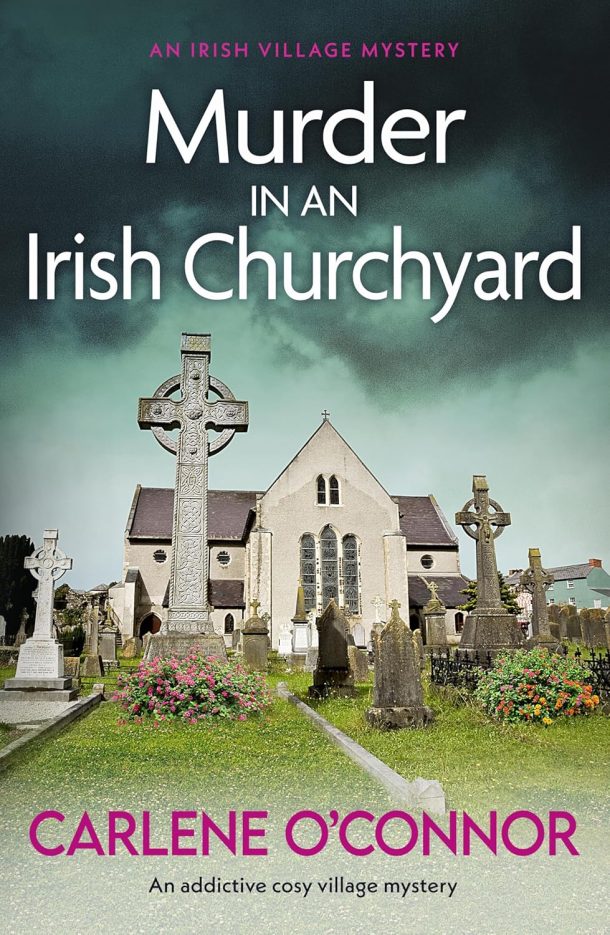 Murder in an Irish Churchyard by Carlene O’Connor
At the start of O’Connor’s captivating third Irish Village mystery (after 2017’s Murder at an Irish Wedding), Father Kearney summons Siobhán O’Sullivan, who’s about to start her first day at Kilbane Gardai Station, to St. Mary’s Churchyard, where the body of a man lies in the snow. Someone fatally shot the victim, later identified as American Peter Mallon, the patriarch of the wealthy Mallon family. Fingers point to everyone involved with filming a documentary in Kilbane about the Mallons’ Irish heritage. Siobhán is dismayed to discover that she must report directly to her ex-boyfriend Det. Sgt. Macdara Flannery, who’s been temporarily called up from Dublin to help close the case. They forge an uneasy partnership as they question suspects and uncover a tangled web of brotherly betrayal and unresolved heartbreak. Fans of light mysteries with an Irish flavor will look forward to Siobhan and Macdara’s further adventures. Publisher’s Weekly, January 2018